
African Forests Transformed
by Kọ́lá Túbọ̀sún

I’ve just finished reading Ainehi Edoro’s Forest Imaginaries: How African Novels Think, published last month by Columbia University Press. Edoro, the publisher of Brittle Paper—an important platform for African literature conversations—takes a deep look at the role of forests in African literature, in this, her debut scholarly work. The reader is invited on a wild ride.
Edoro, a lecturer of African literature at the University of Wisconsin, founded Brittle Paper in August of 2010 as an African literary blog, an outlet for her postgraduate work at Duke University. It has since established itself as a prime venue for news and reviews of new writings. I have published reviews, interviews, and views there myself, and have long found it a rich source of conversation in African literature.
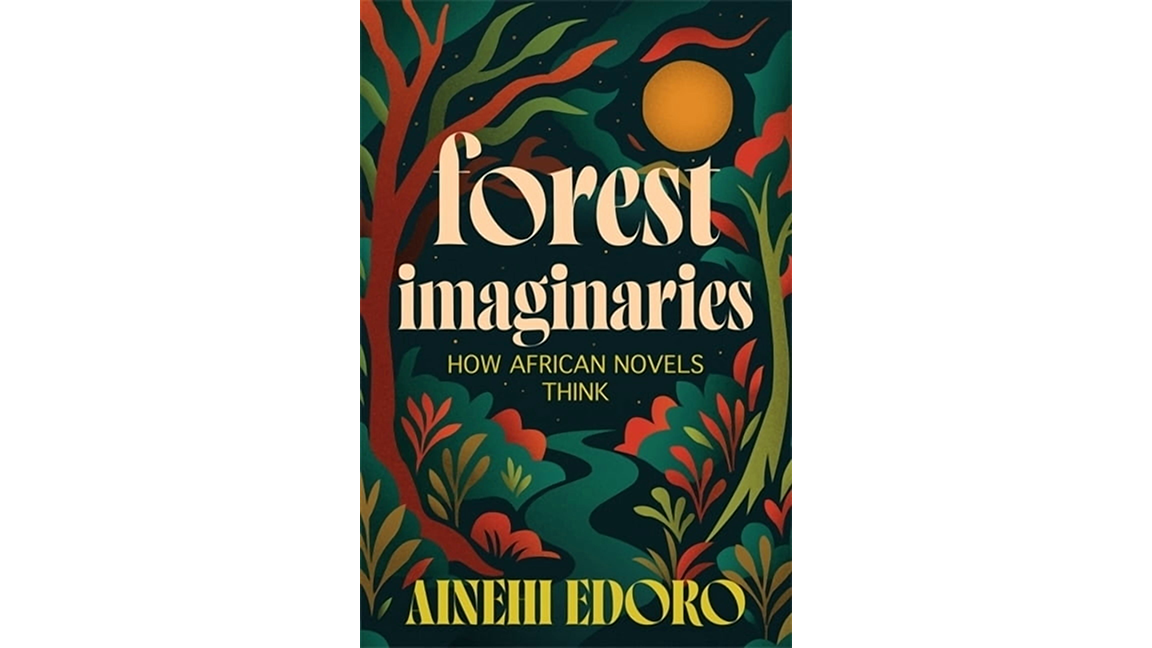
African novels have set revelatory scenes, important plot events and sometimes whole stories in the forest. But in this new reading, the forest is shown to have played a still more fundamental role in African storytelling. Conventional criticism has reckoned the African forest “merely as setting, a stage where characters play out fantasies of magic and transformation,” fossilized and imagined “as a relic of a premodern, primordial, prelogical world, forever fixed in the past.” Edoro proposes instead a reading of the forests in these works as “spaces for the creative imagination” that “exert influence on the fictional worlds to the extent of being co-architects of the lives of the characters.”
Keep us breathing fire!








For $3/month you can read this whole post and get our weekdaily newsletter too!