
Happy May Day, fellow workers!
by Kim Kelly
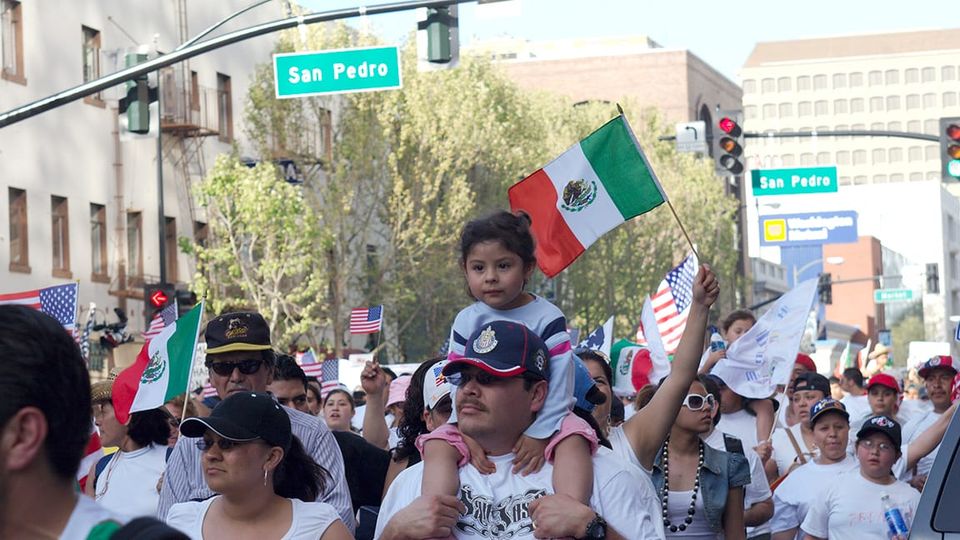
It is International Workers Day, a time to honor and celebrate the centuries of struggle that those of us who toil for a living have undertaken to improve our lot—and to demand justice from those who grind our bones for their bread. This has always been a day of rebellion and dissent, which is perhaps why so few people outside of the labor movement and various leftist spaces tend to have heard much about it. While May Day itself has deep roots, both in ancient Roman traditions and pre-Christian pagan festivals like Beltane and Walpurgisnacht, the first of May has since become less of a symbol of springtime than a global celebration of workers’ rights. The U.S. is one of only a handful of nations that do not recognize May Day as a public holiday, joining the short list alongside such shining beacons of progress and equality as Saudi Arabia and Israel.
In the U.S. we’re instead told to celebrate Labor Day, a government-sanctioned summertime holiday that by now has more to do with red tag sales than red flags. As I’ve written elsewhere, Labor Day is basically a scam. President Grover Cleveland’s administration didn’t want its impressionable populace getting mixed up in all those pinko commie ideas about workers’ rights and basic dignity, but were spooked enough by the widespread labor unrest that had swept the country during the late 1880s that they decided to throw labor a bone in 1895. Cleveland’s sop to the unions was certainly too little, but it was also rather late—because the first May Day parade in American history had already taken place nearly a decade previously, on May 1, 1886. It was an unapologetically radical affair… and was definitely not the kind of march you sign up for in advance with your real name.
In Chicago, in the spring of 1886, the tensions between the wealthy capitalist class and the workers whose lives and labor the elites depended on to fatten their own wallets had reached a boiling point. The workers were striking to fight for the eight-hour workday, and in Chicago, some of the loudest advocates for the cause came from the city’s robust anarchist community. The May 1 march was part of a multi-day series of demonstrations, led by a handful of prominent anarchist writers and orators who were organizing striking and unemployed workers, agitating within their own immigrant neighborhoods, and coordinating with nascent labor organizations to demand shorter workdays.
Skirmishes between the demonstrators, police, and strikebreakers escalated into the Haymarket Massacre on May 4, with the explosion of a homemade bomb and wild gunfire that left at least four dead and 70 wounded. Several of the key anarchists—Albert Parsons, August Spies, George Engel, Adolph Fischer, and Louis Lingg, later known as the Haymarket Martyrs—lost their lives as a result, executed by the state in a sham trial that centered more on their anarchist beliefs than any actual evidence of wrongdoing.
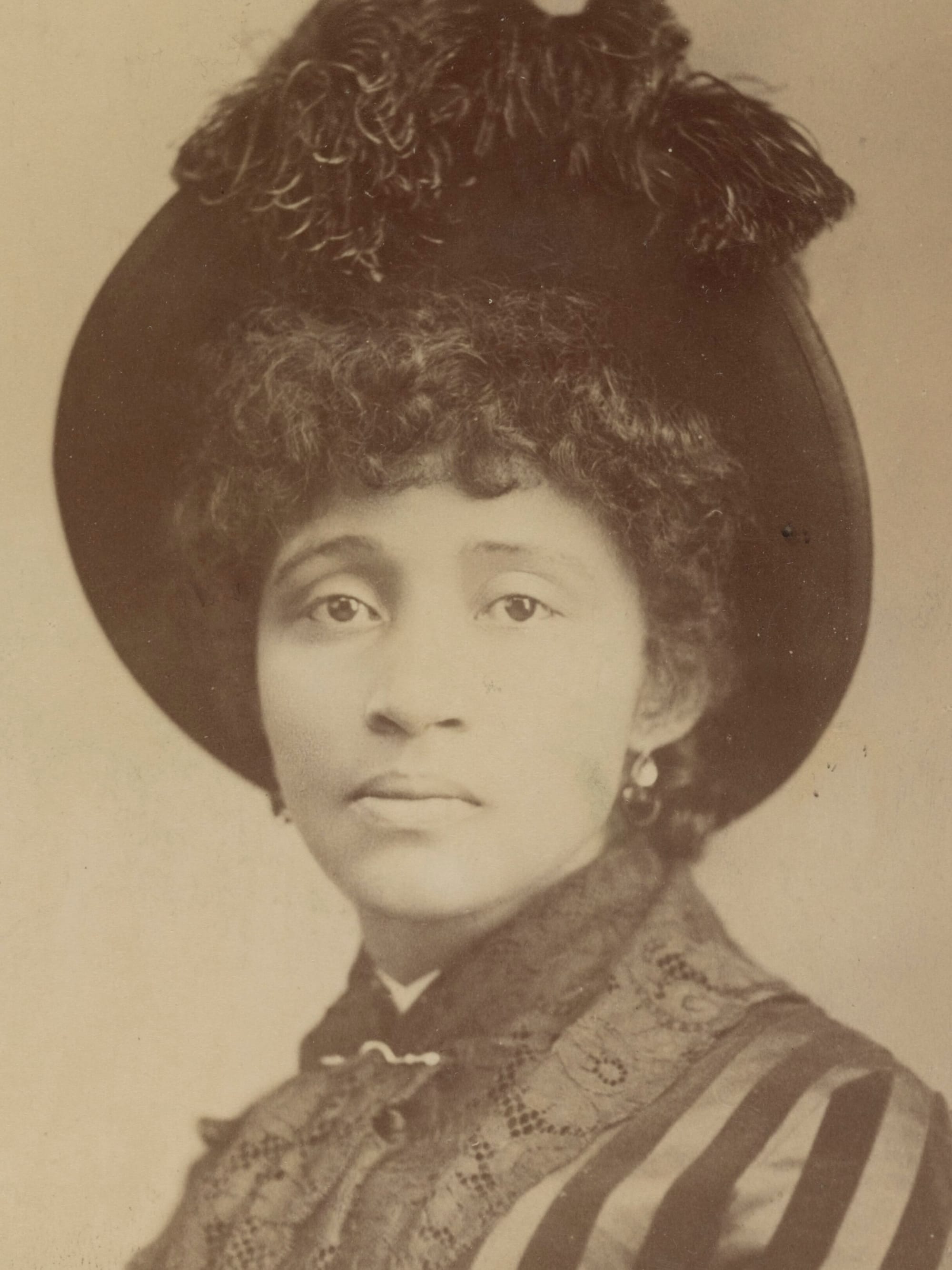
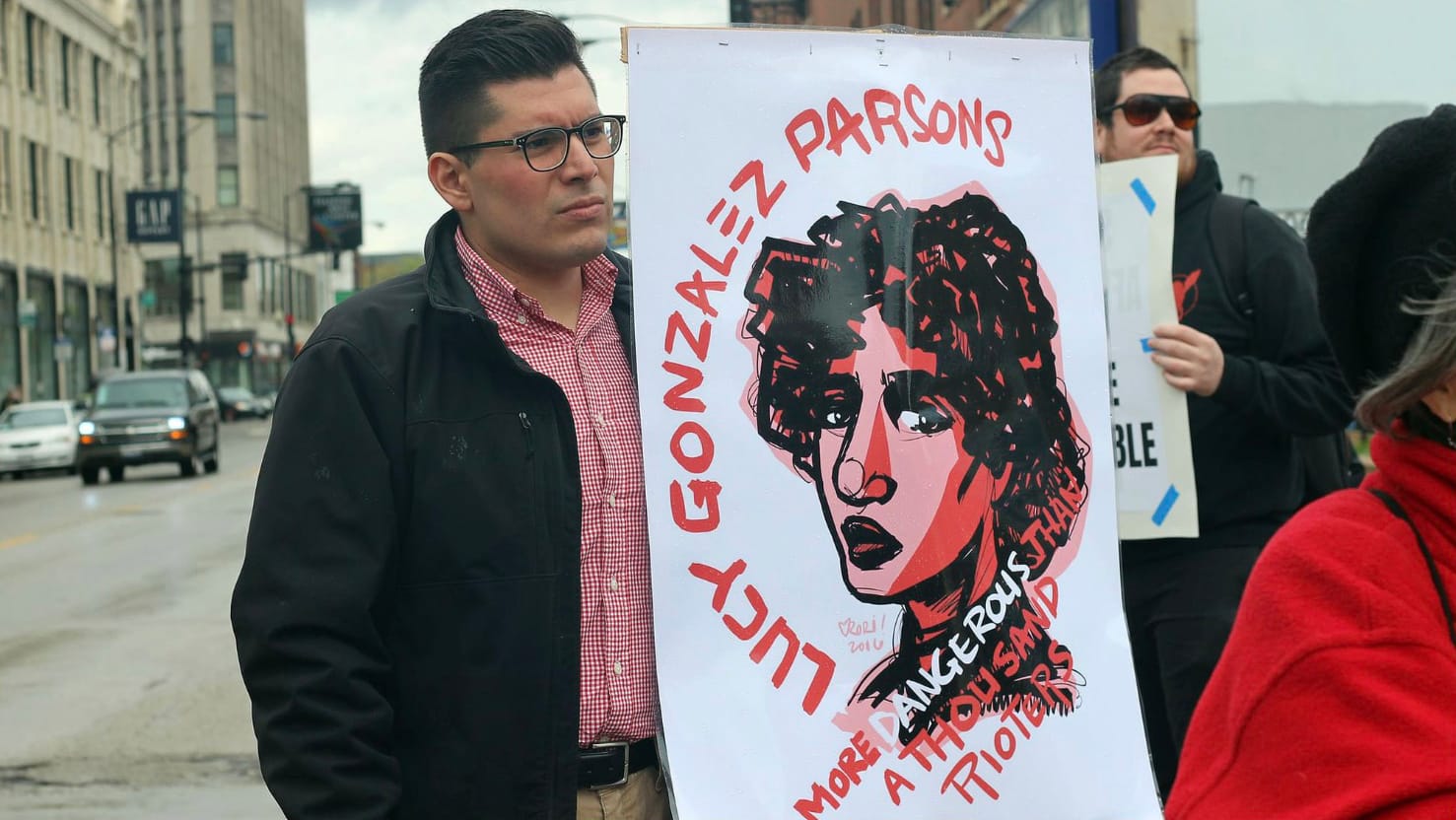
Another of their number, Lucy Parsons, was only spared prison and execution due to her gender; while her husband Albert was sent to the gallows, Lucy was left to raise their two children and continue the long fight for justice. The Chicago police must have hated watching her walk. They famously considered her “more dangerous than a thousand rioters;” she was infamous for her often bloodthirsty screeds against capitalist oppressors, and her openly-expressed view that revolutionary violence was a necessary weapon in the class war. Many of her writings survive, and, yeah, she wasn’t interested in mincing words. In one of her most famous essays, A Word to Tramps, she encouraged unemployed workers to “learn the use of explosives!” and warned the perpetrators of Southern lynchings, “deceive not yourselves by thinking that another John Brown will not arise.” Lucy’s own background, which she intentionally obscured for much of her adult life, explains a lot about why she felt the lash of exploitation so keenly; she had been born into enslavement on a Virginia plantation to a Black mother and a white father, one who may have been the very enslaver who held her and her family in bondage. Her life was riven by conflict, complexities, and tragedies, but she found a purpose in what she deemed “the grand truths of anarchism,” which she described as, “the right of every man and woman upon this Earth, who contributes to the marvelous and diversified products, to their share in the same; and that to be really free is to allow each one to live their lives in their own way so long as each allows all to do the same.”
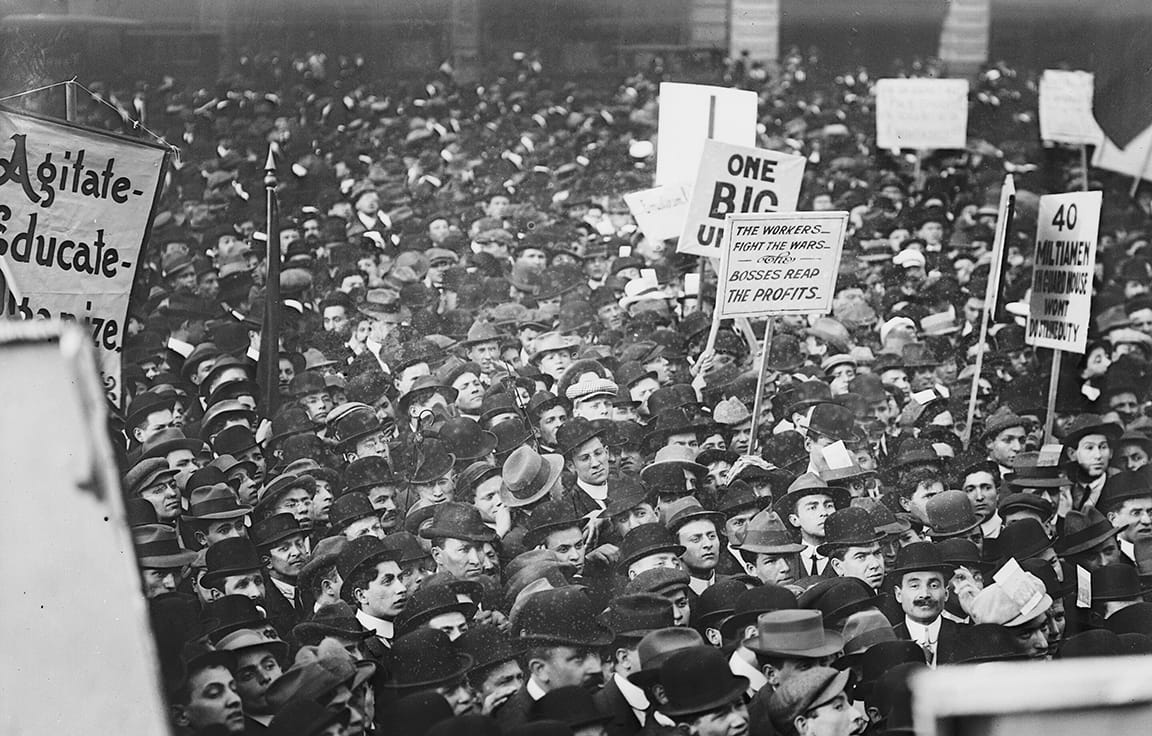
On that day of May 1, 1886—when Lucy, Albert, and their children marched at the head of a huge procession of unemployed workers—they made history, with all of them moving together as one thousand-headed marvel. It must have been a wonderful sight, and the sound of those tens of thousands singing must have roared through the streets like thunder. “We’re summoning our forces from shipyard, shop, and mill,” the marchers sang. “Eight hours for work, eight hours for rest, eight hours for what we will!”
The battle for the eight-hour day would continue for many years after, but the global labor community quickly took steps to ensure that the Haymarket Martyrs’ sacrifice would not be forgotten. In 1889, the first Congress of the Second International called for a global day of protest on May 1, 1890, in honor of the Haymarket Martyrs. Ever since, May Day has been celebrated by leftists, unions, activists, and rank-and-file workers around the globe. It has become so much bigger than one march in one city, and this year may be one of the biggest May Days yet.
.jpg)
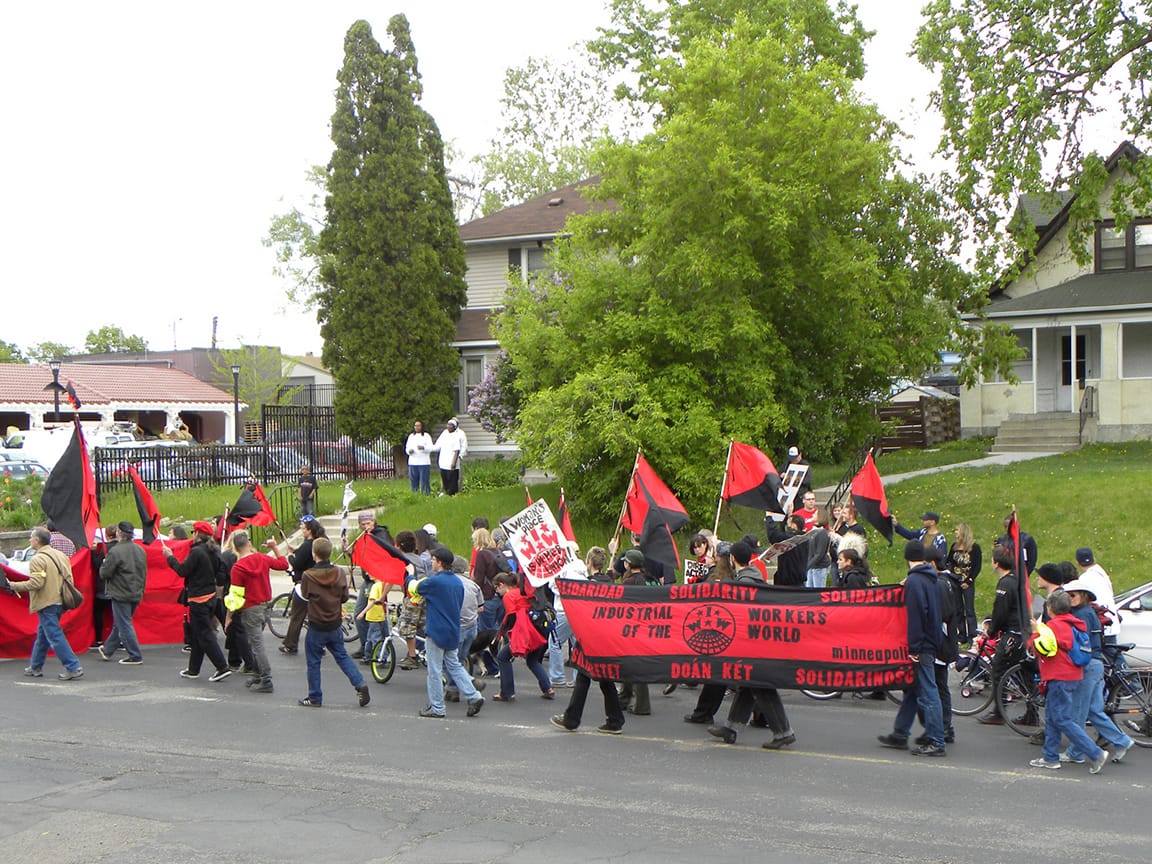
This year, thousands of regular people will again convene in cities and towns around the country to pay tribute to those whose blood, sweat, and deportation orders came before—but for many, the most pressing issue of the day will be voicing their displeasure with the Trump regime and its hateful authoritarian agenda. For months, labor unions, leftist organizations, and the people still floating in that soupy progressive/liberal/non-corporate Democrat zone have been promoting May 1st as a day of protest, and I bet you a nickel that there will be enormous crowds out there today as a result.
.jpg)
If you’re reading this, I hope you’re on your way out the door, too, or are taking part in whatever other way you’re able (not everybody can, should, or needs to be in the streets all the time—finding your lane and sticking to it is an excellent way to both stay safe and make a real impact). While you’re doing that, do me a favor: Remember the martyrs. Remember those who came before, and remember that today marks just one more step on the long road towards working class liberation. Remember that we are stronger together, and teach the next generation that an injury to one is an injury to all.
As Lucy Parsons herself said, one May Day long ago, “Today we march, we send our greeting upon ocean’s waves, we send them continent to continent, we send our friends across the ocean and all climes and countries: We are with you. Our hearts throb. The working class throughout the world, proclaim the doom of capitalism and wage-slavery.”