
Iago Is Everywhere
by Maria Bustillos
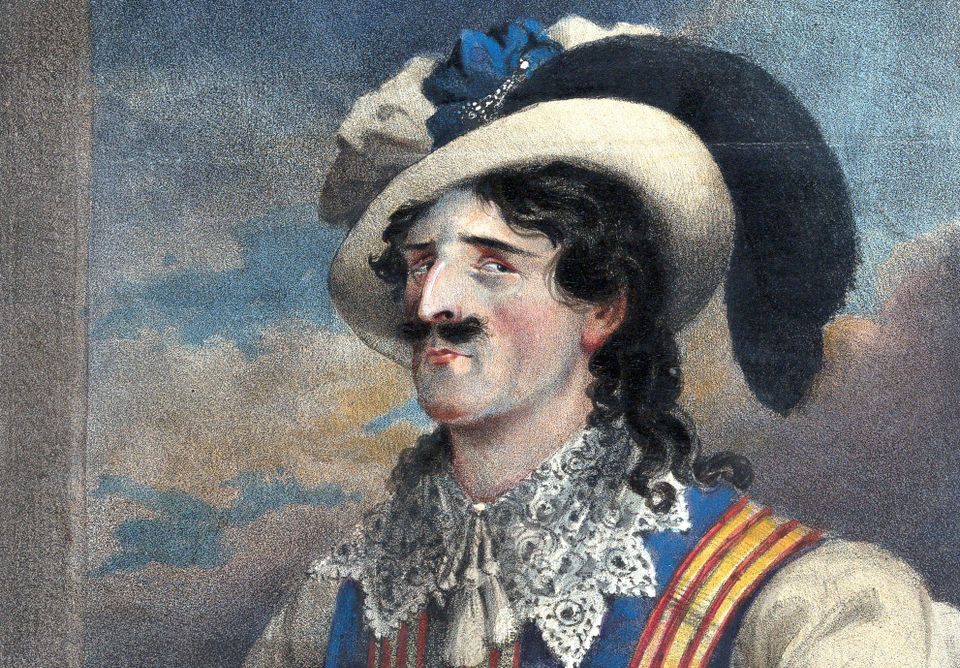
Iago, the bad guy in Shakespeare’s Othello, is the star of the play; the whole story revolves around his deadly betrayal of innocent friends and benefactors. A soldier but not a gentleman, passed over for promotion, envious and spiteful and utterly vicious despite his reputation as “honest Iago,” he tricks everyone around him into deceit, murder, and ruin—culminating, inevitably, in his own destruction.
With the aid of a stolen handkerchief Iago gins up the story of an affair between Cassio, his rival in the army, and Desdemona, the wife of their general, Othello; from there he proceeds, lie upon lie, to goad Othello into a jealous, murderous rage. But no one suspects Iago of his secret malevolence, and no backstory emerges in the play to explain why he has chosen this disastrous path.
For centuries people have argued about what Iago’s deal was. Why not just be a guy close to power, respected and prosperous, if not in the highest rank? Why not just live your life, you were doing fine?? Lytton Strachey called the very senselessness of Iago’s villainy a stroke of genius on Shakespeare’s part. But other critics, notably Samuel Taylor Coleridge, mapped Iago’s character out in a different way, and so clearly you might think they’d lived through the era of Trump and Putin—two likewise vulgar, ambitious, invidious men, initially praised for being tough and honest, macho straight shooters—men who likewise clawed their way too high, far beyond their meager abilities.
Keep us breathing fire!








For $3/month you can read this whole post and get our weekdaily newsletter too!