
The past echoes
Today: Zach Rabiroff, a writer on books, comics, and culture living in Brooklyn, New York.
Issue No. 279
Scorched Earths
Zach Rabiroff
Scorched Earths
by Zach Rabiroff
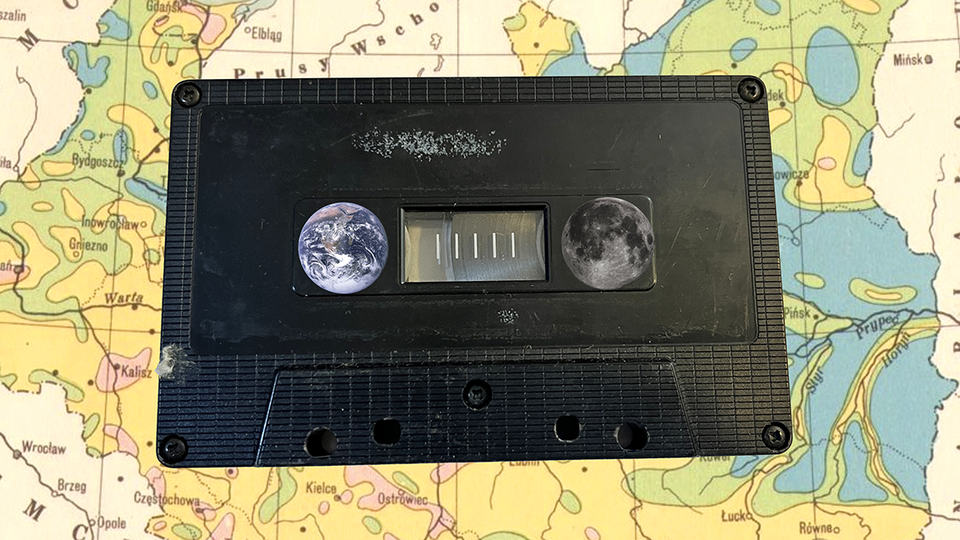
I have a cassette tape recording of an old man’s voice, thickly-accented in the type of lilting Yiddish twang that has since vanished from contemporary life. This is the voice of my great-grandfather, Sam Freed, being interviewed by his school-age grandson sometime around 1980. Sam would have reached his early 80s by the time of the interview—no mean feat for someone who had grown up in a turn-of-the-century Polish ghetto on a diet consisting chiefly of potatoes and bread. Early on in the conversation he tells the story of his escape from that world, booking it on the eve of the First World War for refuge in England, Norway, and eventually the United States, before attempting to wire money back to the family he had left behind.
And here, he explains, he ran into some trouble. In Sam’s words:
Poland, at that time, was in three parts. Galicia, that part belonged to Austria. East Prussia belonged to Germany. But the greatest part belonged to Russia... but our town, the ghetto, was on the border of everything, and we spoke four languages. The soldiers and policemen all spoke Russian–this was the official language. Then there were a lot of Germans every place. They spoke German, but the other people, the gentiles, were Poles, and then we spoke Yiddish. So everybody there–the Jewish people, I mean–everybody was a little of everything. But after the war, Poland became independent, and the American Express asked me what was country I was from.
What country did he come from, his grandson asks him. Sam seems to audibly shrug: “The country I come from,” he says, “that’s a country that no longer exists.”
Keep us breathing fire!




For $3/month you can read this whole post and get our weekdaily newsletter too!