
Feathered friends / Film fans
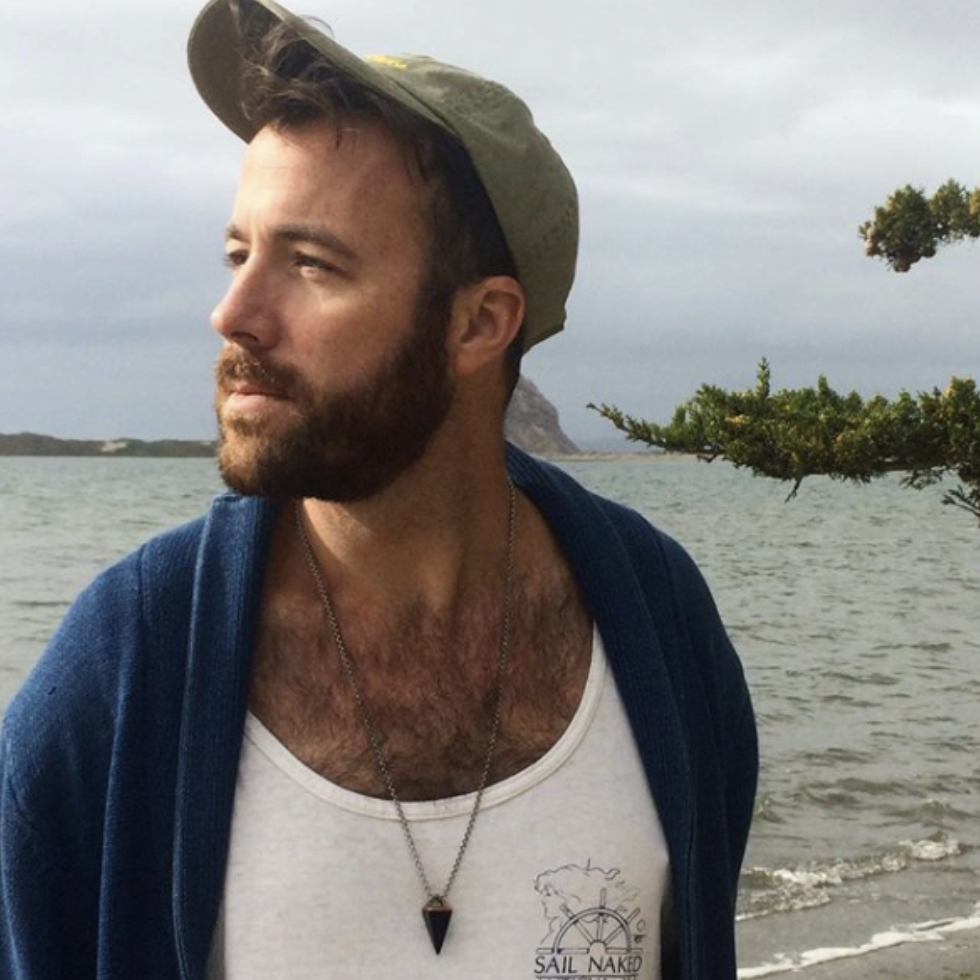
Today: Ben Ehrenreich, author of Desert Notebooks and The Way to the Spring.
Issue No. 370
In Praise of Pigeons
Ben Ehrenreich
The READER POLL! of Fun Movies
The Editors
In Praise of Pigeons
by Ben Ehrenreich
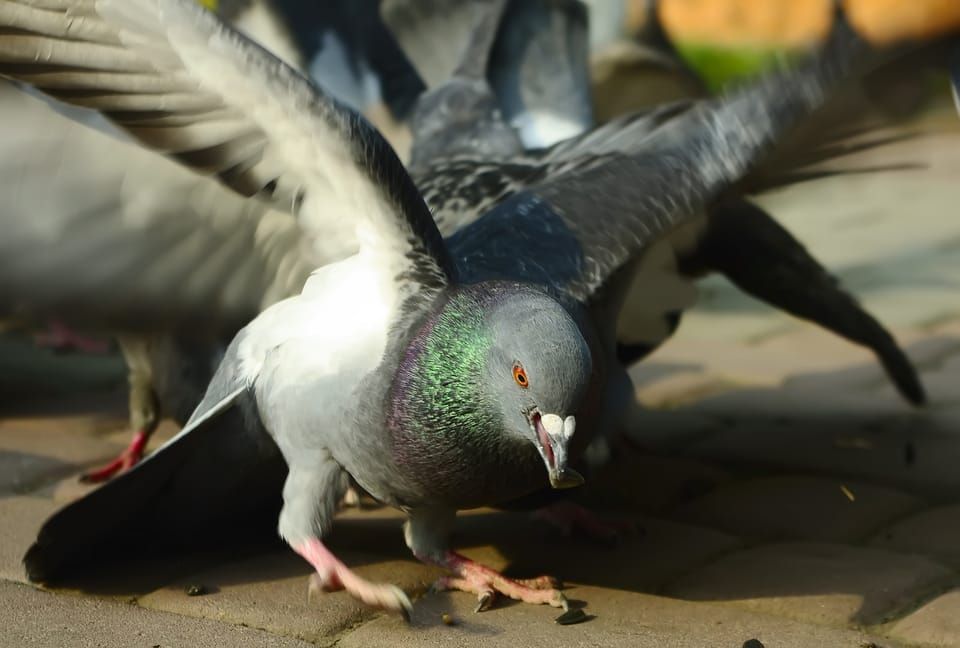
In the second half of the second year of Israel’s genocide in Gaza, as my own country performs an astonishing act of auto-evisceration, midway through the next hottest summer since last year’s hottest summer ever, I would like to talk to you about pigeons. The birds, I mean. I am aware that some do not like them. I have watched some of you, on crowded sidewalks, flinch when a frightened bird takes flight at your ankles to avoid being trodden on and its gray wings flutter too close to your knees, your elbows, or your faces, and I can see clearly enough that it affects you, this proximity, that the panic it inspires is real. I understand that such fears are rarely rational and don’t go away because someone writes an essay. Nonetheless, I want to convince you that pigeons are not only harmless but beautiful, and worthy of your attention. For their sake but also for yours, and all of ours, because beauty, as we understand it anyway, is a human thing. It is our thing, and it requires a beholder as much as a beheld. The more it is observed, the more it exists, and the world needs more of it, all of us do.
The most common complaint against pigeons is that they are dirty, and likely carriers of disease. In this regard they are often compared to rats. Rats are at least as noble and sensitive as we are, but that is a subject for another day. In the meantime, I hate to be the one to tell you, but we—and when I say “we” I am speaking presumptuously of our species as a whole—are the carriers and as often as not the creators of most of the diseases we suffer from. We pass one another most of the common infectious diseases, and also create the circumstances—roads, airplanes, trade routes, monocultural agriculture and its attendant insults to existing ecosystems—that allow animal-specific pathogens to leap into human hosts. By altering the climate, we expand the range of insects—I am thinking mainly of mosquitoes and ticks—that pass us diseases that we cannot spread without them. We create the smoke and the bits of asphalt, tire, and brake pad that fill the air, and the microplastics and forever chemicals and not-quite-forever ones that pollute our oceans and fields and breezes and bloodstreams and cause cancer and heart disease and the majority of the unpleasant ailments that make us die before we’d like to. Pigeons don’t do that.
Keep us breathing fire!







For $3/month you can read this whole post and get our weekdaily newsletter too!