
Struggle cinema
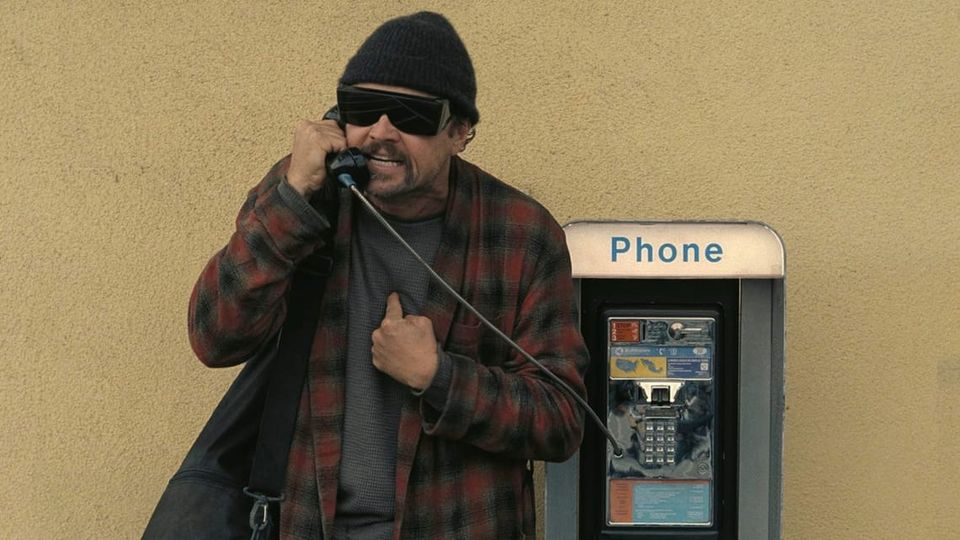
Today: David Roth, an editor and co-owner at Defector.
Issue No. 416
Winning Isn’t Everything
David Roth
HYDRANYM No. 19: Vote!
The Editors
Winning Isn’t Everything
by David Roth
It will be clear that I am not offering a self-care tip by the time you finish reading this sentence, but when things started getting dark for me around the beginning of this year I started watching movies from the 1970s. Film after film in which everyone’s hair looked incredible and the food even in the fanciest restaurants looked like absolute dogshit—ashen but somehow also boiled-looking. New York City was a smear of garish red velvet and gray-black car exhaust and appalling yellow light; long brown sedans jostled and raced through a bleak and crowded smudgescape in which it was plain that there was not one single acceptable cup of coffee to be found. The blocks around Times Square were caked in a damp neon film, but I could still identify what has since become a Shake Shack. The map had been altered and altered again, but the territory just was what it was.
I don’t think I really had anything in particular in mind. I was depressed; a bunch of big things I’d idly or just hopefully thought were permanent had proven not to be; I had believed those things to be load-bearing, which seemed to be the only part I got right. The idea of addressing this problem by applying a thick and smoggy layer of movies in which Gene Hackman appeared to be experiencing indigestion while wearing various hats was not, and could not really have been, a fully reasoned one on my part. It was just what I was up for at the time, mostly. But I think I also wanted to see how bad things had been before—or, more precisely, to be told some stories in which things were very bad, stories in which people wore extravagantly chunky sweaters and furtively spoke on corded phones and got killed and sometimes, somehow, looked as good as Brooke Adams does in the 1978 Invasion Of The Body Snatchers.
I was startled and delighted by how brown and moldy everything looked in The French Connection and by the blue notes of hornball fatalism in The Parallax View and Winter Kills and Night Moves and that Philip Kaufman adaptation of Invasion of the Body Snatchers. None of it really quite aligned with any observable contemporary reality, but even as I watched Warren Beatty, with maybe the most outrageous haircut I’ve ever seen on anyone, buy a plane ticket—with cash—on the damn airplane—in The Parallax View, it never felt entirely unreal. The twin threads of restlessness and hopelessness, the films’ thrumming but abstracted disgust with the hidden and utterly depraved systems against which all these lonesome protagonists smashed themselves, were a reminder that all of these stories had long been unfolding in the country and reality in which I live. Not in the same moment, but in the same place, and along the same beats.
I wouldn’t say that any of it made me “feel better,” but that wasn’t really why I was watching. I was watching because I didn’t want to, or just couldn’t, go to bed, and because I am already paying for a bunch of streaming services, and because I needed to be reminded, in the first dark, brutal days of the second Trump administration, of the grim and dreadful things that, too, had passed. I was trying to convince myself that this moment was not the end that it felt like. There was a story that I had been told for as long as I’d been alive that held that things were getting better, or just moving along an upward trajectory at a pace that would necessarily quicken and slow but which was constant and inexorable. A lot of suburban kids get told this, if not in so many words, and it is an important part of turning them into suburban adults.
But also I really thought I saw it for a while. Things once misunderstood were being figured out, and once figured out could be used as leverage for figuring out even more things; this was how the line climbed up and to the right, and doing that was just what lines were meant to do. There were compromises, of course, and missteps, a dialectic was at work and there would necessarily be conflict, it was not going to be simple or linear, although look at that line, look where it was going. But also, just on the merits, and considering the prevailing trends and available data…well. Well.
Keep us breathing fire!








For $3/month you can read this whole post and get our weekdaily newsletter too!