
What’s the poop? / Where’s the dough?
Today: Tom Scocca, editor of Indignity; and Jack Pendarvis, an American screenwriter, author, and voice actor.
Issue No. 419
Roots of Understanding
Tom Scocca
Ace Goes to Hollywood: Episode 11
Jack Pendarvis
Roots of Understanding
by Tom Scocca
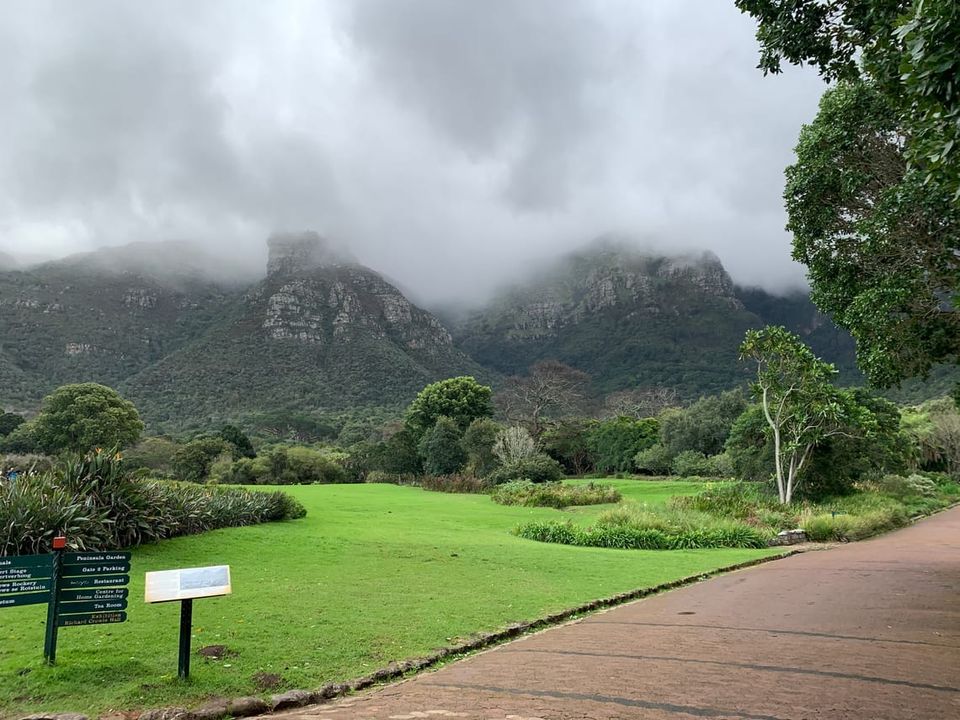
The botanical garden was hemmed in by mist. It was a July winter mist, clinging to the steep rock faces above; we had left two familiar hemispheres behind us and were dislocated in both the season and the time of day. Cape Town had met my eyes as an arrangement of mountains and birds, but I couldn’t understand where the mountains were relative to each other and so far I only had one bird: consulting the internet, on the ride from the airport, I’d figured out that the ones that looked like ravens but had white chests and backs were pied crows.
Pied crows. With that, one thing moving on the landscape was legible. There was a word for it. At home, I know the names of most of the birds I’m apt to see, and of at least the major trees (red oak, white oak, tulip poplar, maple, beech), but I’m hapless on lesser plants and flowers, and useless on any rocks beyond quartz or slate. I feel superior to the ancients because I know what a planet really is and how many of them there are, until I remember that without a sky chart I can’t tell which is which, except when Venus makes it obvious.
Plenty of other people go around all the time not knowing what the birds are. Some people know the meaning of manhole covers at a glance. Text is everywhere if you can read it; to know the name of a thing is to go from looking at it to thinking about it. This was the first step in existing as a human, alive in God’s creation, according to Genesis 2:19:
And out of the ground the Lord God formed every beast of the field and every fowl of the air; and brought them to Adam to see what he would call them; and whatsoever Adam called every living creature, that was the name thereof.
The Kirstenbosch National Botanical Garden had already taken care of the naming, in two languages, or maybe one and a half languages. English is English, and Afrikaans is more or less Dutch, which is in turn often enough readable as a sort of funhouse-mirror English. The sign for the groundcovers, for instance, had them also as “grondbedekkers”—sure enough, down there bedekking the grond. The Swazi ordeal tree was the “Swazi-oordeelboom.”
Keep us breathing fire!



For $3/month you can read this whole post and get our weekdaily newsletter too!