
Troubled troves
Today: Kọ́lá Túbọ̀sún, Nigerian writer, linguist, co-editor of Best Literary Translations, founder of Olongo Africa, and writer and producer of the documentary, Ebrohimie Road.
Issue No. 443
Brutish or Elusive Museums
Kọla Túbọsún
HYDRANYM No. 24: Vote!
The Editors
Brutish or Elusive Museums
by Kọla Túbọsún
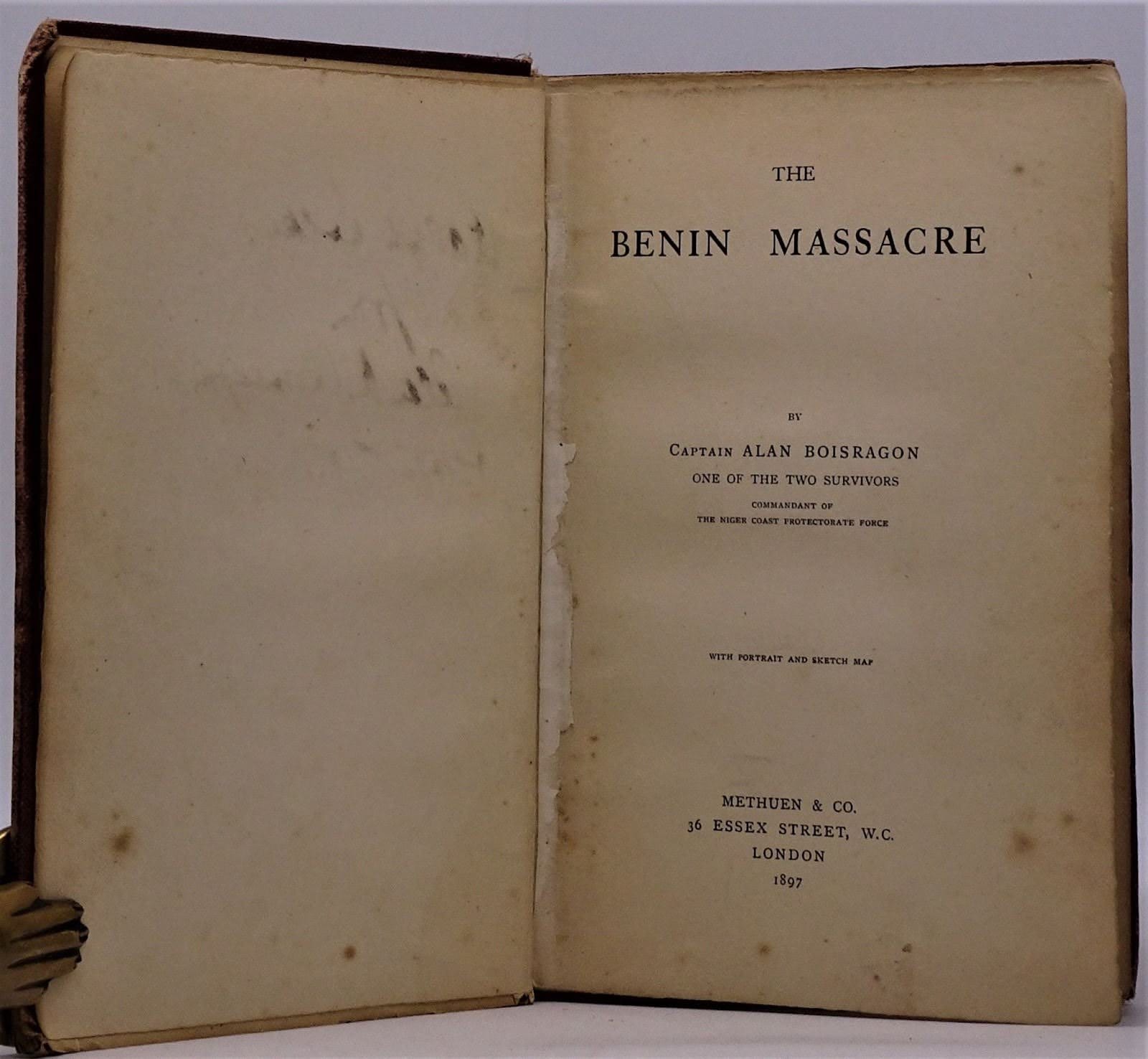
In September, I read Alan Boisragon’s The Benin Massacre (1897).
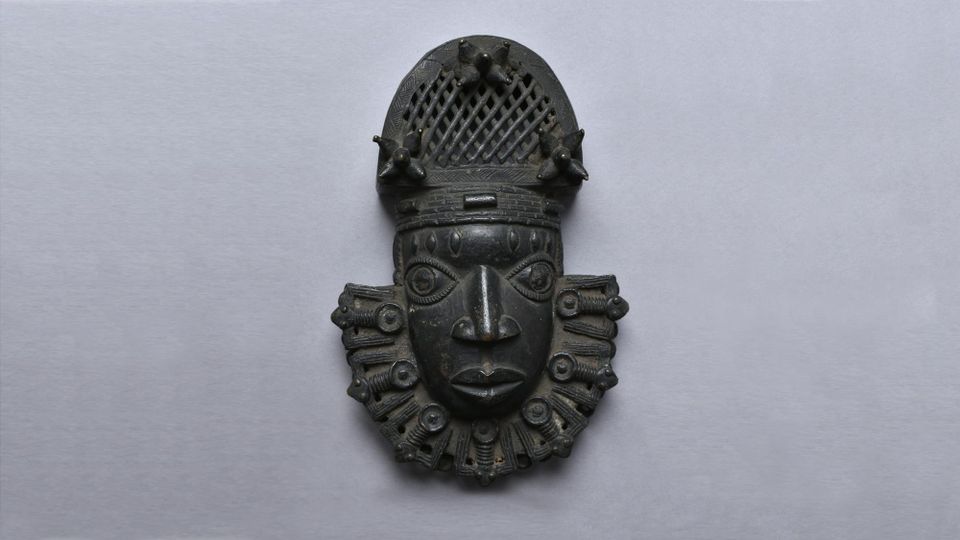
The author, a British army officer, was one of two survivors of the ill-fated trip into Benin City in Nigeria in December 1896, which led to the deaths of ten or so British officers and dozens of Africans. Three months later, in February of 1897, the colonial navy sent about 1,200 armed men to attack Benin; they removed the king, sacked the city, and brought it under the rule of the British Empire.
The book focuses mostly on the initial foray into Benin, and offers relevant insights into the “punitive expedition” that followed. According to Boisragon, and many other accounts since, there was no clear indication that the initial visit had been sanctioned by London; nor was there any indication that Benin had been prepared to welcome the expedition. The Ọba (king) was forbidden, according to local customs, from welcoming any foreign visitors, and clearly said so in many messages sent ahead to the Acting Consul-General James R. Philips, whose grave in Ugbineh, near Benin, remains to this day. In ignoring those messages and all other signs of hostility, Boisragon and his comrades brought calamity to themselves, and to the city.
Benin, in British lore, had been called “the city of blood” before then, and the name has persisted since then as well.
Keep us breathing fire!






For $3/month you can read this whole post and get our weekdaily newsletter too!