
Fearful symmetry / Lost connection
Today: Nathan Munn, writer, musician, and author of QUÉBEC; and Brian Hioe, Taipei-based editor, translator, activist, DJ, co-founder of New Bloom, and author of Taipei at Daybreak.
Issue No. 460
You, Robot
Nathan Munn
Cell Deathwatch
Brian Hioe
You, Robot
by Nathan Munn
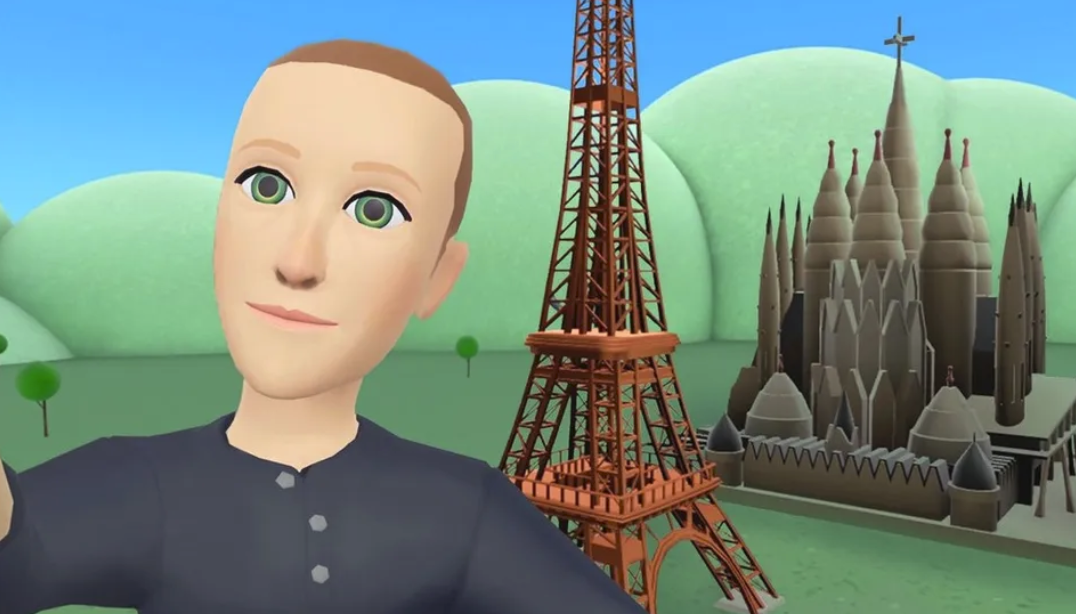
Digital agents are an inversion of the failed metaverse: rather than projecting your physical form into the virtual world, a digital agent is a doppelganger of you, conjured in the cloud to represent you in the ever-expanding, ever-morphing interface between the real and digital worlds. The prospect of cramming one’s image into Mark Zuckerberg’s demented dream machine made most people ill, so the tech lords moved on and flipped the script, recasting the minutiae of modern life as a pain point that can be eradicated by a collective relinquishing of human agency.
Agentic AI are semi-autonomous entities designed to operate on your behalf to handle all your daily drudgery online: booking oil changes, dentist’s appointments, flights. (Agents are meant to represent people in the virtual ether, while digital simulations of physical devices and objects are known as digital twins.)
To be fair, no one would argue that booking an oil change is a fun or fulfilling experience. And this is where the pitch might sound tempting: Daily tasks are boring and annoying, whisper the twin-makers. Let a bot do it for you.
The problem is that, as with all things tech, the twin-bot makers won’t be content with just oil changes. Those who stand to profit from the spread of AI technologies earnestly believe that bots should decide what we do, be our closest friends, and shape what we think about as they join the metastasizing AI atmosphere, which is already working to guide how we eat, sleep, and have sex. Right now, the state of Alaska is developing an agentic AI system that will handle people’s interactions with the government. In this fractured vision of the emerging AI-powered society, it’s easy to wonder where we will fit into our own lives.
A defining trait of many tech-obsessives is their apparent belief that life itself—that is, dealing with other human beings—is a pain in the ass best left to automation. Time and again, tech executives have revealed themselves to be misanthropic, socially inept asshats who naturally recoil from anything that involves other people, from conversation to romantic relationships. This revulsion is captured well by meatspace, the disparaging term used since the earliest days of the internet to describe the real world: an ugly, messy, uncomfortable place where the esoteric skillsets of manipulating data and solving problems of a digital nature are underappreciated, and dorks’ social failures are constantly reflected back at them. It’s no wonder they put so much effort into eliminating as many human interactions as possible.
Keep us breathing fire!







For $3/month you can read this whole post and get our weekdaily newsletter too!