
Bot or not / Nice guy
Today: Jídé Salawu, writer and editor at Olongo Africa; and Luke O’Neil, author of the newsletter Welcome to Hell World, and the story collections A Creature Wanting Form and We Had It Coming.
Issue No. 593
The AI Trial of Jamir Nazir
Jídé Salawu
Maybe we’ve all got work to do
Luke O’Neil
The AI Trial of Jamir Nazir
by Jídé Salawu
“Coins meant for rice or kerosene slid across the counter and came back white rum hot as apology,” reads a line from Jamir Nazir’s “The Serpent in the Grove.” It’s a short story full of strange and overwrought metaphors and flourishes bordering on the incomprehensible.
Another: “Bush kept it, snakes liked it, air from it felt like a hand from a grave.” “Coffee and cocoa leaned wild on a slope that wanted either rain in teeth or none at all.”
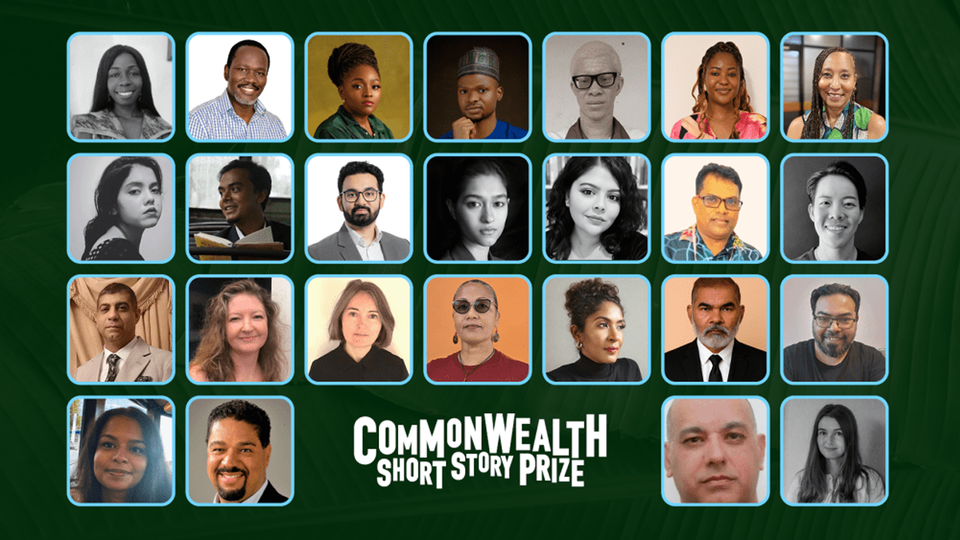
“The Serpent in the Grove” is also the winner of this year’s Commonwealth Short Story Prize for unpublished short fiction from the Caribbean region. Shortly after the finalists were announced this year, a scandal erupted, with various bloggers and social media posters accusing Nazir of having used generative AI to write his story.
The Commonwealth Prize seeks specifically to surface new writers, so it was not surprising that the author’s online footprint was so light. But internet sleuths wasted no time in discovering that Nazir, who is listed as a “Business Consultant” on LinkedIn, had written a LinkedIn blog post openly praising AI: “The tendency to blindly trust a machine’s output is a critical human flaw,” he wrote. “The AI isn’t the problem; the abdication of judgment is.”
Ethan Mollick, an associate prof in artificial intelligence at Wharton, whose Bluesky account identifies him as an enthusiastic user of chatbots, posted a thread confidently identifying “The Serpent in the Grove” as “a 100% AI generated story.” (“Pangram flags at 100% but also, come on, if you know you know.”) Allegations of AI use among this year’s Commonwealth Prize finalists later spread to “The Bastion’s Shadow” by Maltese writer John Edward DeMicoli and “Mehendi Nights” by Indian writer Sharon Aruparayil. It scarcely needs mentioning at this point that even the most advanced AI detection software does not claim 100 percent accuracy.
Keep us breathing fire!







For $3/month you can read this whole post and get our weekdaily newsletter too!