
On ZODIAC (2007)
by Sarah Weinman
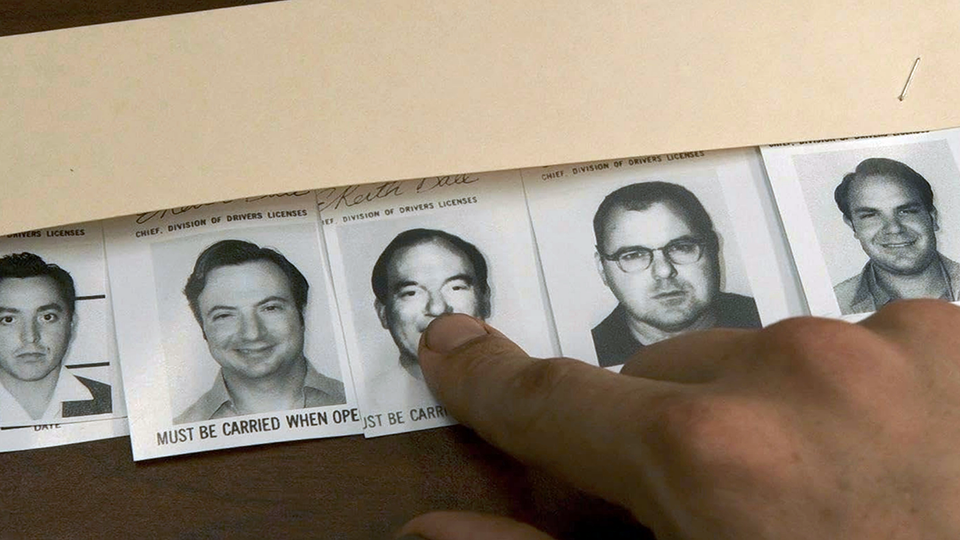
When I went to see David Fincher’s 2007 film Zodiac at the Paris Theater in Midtown Manhattan recently, I was worried it would not hold up. The film concerns five Bay Area murders that took place between 1968 and 1969, a story that once had a vise-like grip on the American imagination, particularly for the true-crime obsessed. When I first watched it nearly 20 years ago, I was enraptured by the film’s depiction of obsession, and irresistibly caught up in its sense of dread, and the way it evolves through the story—especially early on, in the scenes depicting the murders in almost unbearable banality.
Over the intervening decades, the murders became peak True Crime Content. Who doesn’t want the brass ring of being the person who solves such a mystery, once and for all? In cases like Zodiac—brimming with dramatic features like an attention-seeking killer and intricate cryptographic puzzles—the multitude of sordid details, the sheer number of rabbit holes to fall down, render the temptation palpable. Just ask Robert Graysmith (the version played with Eagle-Scout earnestness by Jake Gyllenhaal in the movie, that is, not necessarily the real guy on whom the role was based.)
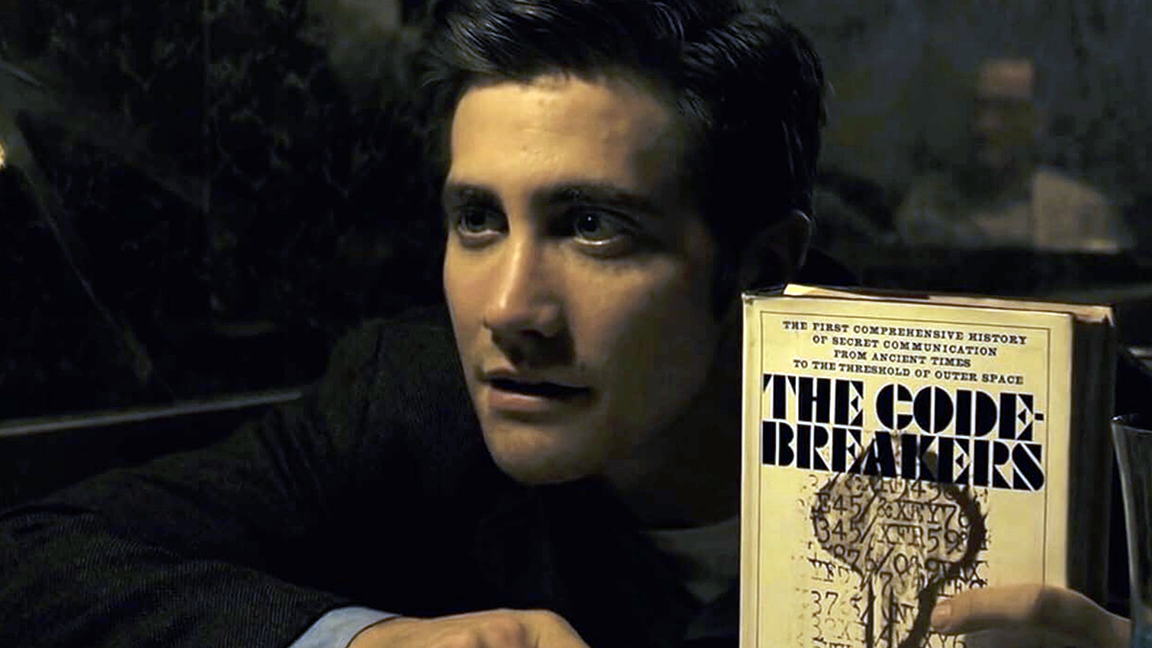
Ciphers, letters, cryptograms, handwriting analysis, media manipulation: the exhausting, consuming complexity of the details only obscured the real facts. Five people lost their lives, several others were critically injured, and scores of those who knew and loved them have had to live with a trauma that has never really ended, and might never end. That’s why, I think, I’ve avoided writing at length about the case so far.
There’s no better book on the Zodiac than Motor Spirit by Jarett Kobek, which is more about the sociocultural history of the Bay Area at the time of the murders than a straight true crime tale. (Its companion volume, How To Find Zodiac, is also worth reading, as a guide through one writer’s reluctant acceptance that he can’t rule out a possible suspect.)
Zodiac exhaustion really crested in December 2025, when popular crime novelist Michael Connelly, building on the work of “cold case consultant” Alex Baber, launched a podcast attempting to connect Zodiac to another famously unsolved case: the 1947 murder of Elizabeth Short, known after her death as the Black Dahlia. Their allegations were thoroughly debunked in a feature by Elon Green in Defector, and in a three-part YouTube series by cryptanalyst David Oranchak. Both give a thorough accounting of the errors and leaps of faith made by Connelly and his crew on a wide variety of matters, including cryptography, geographic details, and the far-fetched analysis of a drawing.
Keep us breathing fire!





For $3/month you can read this whole post and get our weekdaily newsletter too!