
Payal Kapadia: Crafting cinema beyond borders
by Fahad Shah
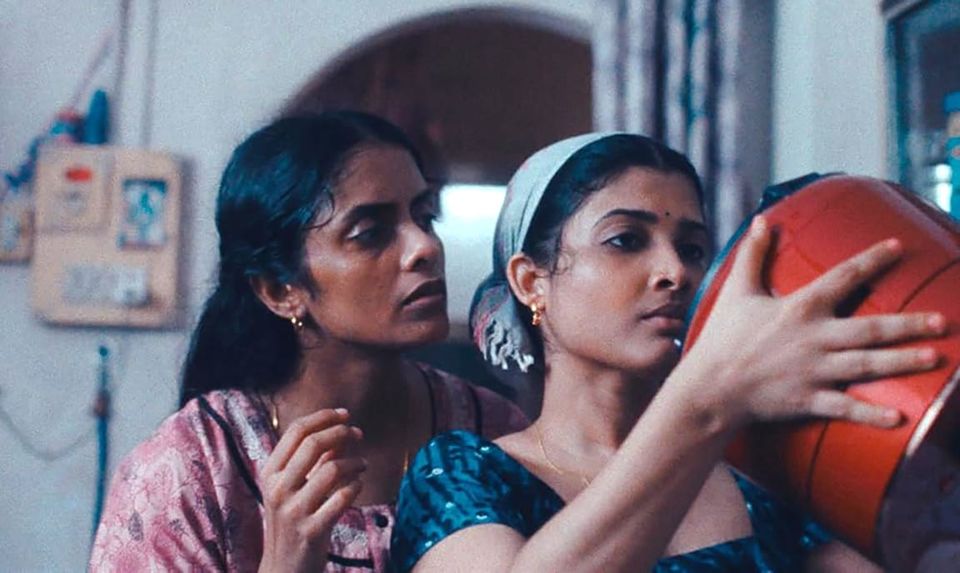
At 38, Indian screenwriter and filmmaker Payal Kapadia has reached a high place in global cinema. Her film, All We Imagine as Light, is an evocative confluence of friendship, identity, and the quiet resilience of women, in which the haunting blues of monsoon-soaked Mumbai serve as both a visual and emotional anchor, a nod to the layered complexities of life in India’s urban heart. It won the Grand Prix at Cannes and critics’ awards from the New York Film Critics Circle and the Los Angeles Film Critics Association this year, as well as a Best Director nomination at the 2025 Golden Globe Awards. Yet the journey has been far from conventional or easy. To be able not only to tell a story that resonated so deeply with audiences around the world while retaining her integrity as an artist, and competing at global levels, is quite telling of the resilience and earnestness that went into the making of this film.
The possibility of an independent Indian film going to the Golden Globes is almost unimaginable, considering the obstacles that face mounting indie films in India in the first place. Daunting funding and distribution challenges ensure that there will be few risk takers supporting those who can tell authentic stories on their own terms.
Distribution in particular remains a significant hurdle, with few avenues for smaller films outside the studio system to reach audiences; as a result, India’s independent films often struggle to find their footing in a landscape dominated by the commercialism of the mainstream Indian film industry in Bollywood. All We Imagine as Light was controversially deemed “not Indian enough” …and “a European film” by the establishment Film Federation of India—which, despite the cascade of honors Kapadia’s film has received, declined to select it as this year’s Oscar nominee from India. But All We Imagine As Light continues to gain international acclaim, and was honored again this week with a nomination for the British Academy Film Award (BAFTA) in the category of Film Not in the English Language.
Kapadia’s work celebrates India’s diversity, challenging political narratives that seek to homogenize identities. Her choice to shoot in Malayalam—a language often sidelined by Hindi-centric Bollywood—highlights regional Indian cinema’s growing global influence. This multiplicity of viewpoints is reflected in her storytelling, where boundaries between fiction and nonfiction dissolve, drawing viewers into an inclusive world that feels both deeply personal and universally relevant. She sees her achievements as a small step toward a future in which India’s rich, varied cinematic traditions gain international recognition, one independent film at a time.
Through her film, Kapadia offers a poignant meditation on identity, community, and the transformative power of storytelling, firmly establishing herself as a visionary filmmaker redefining Indian cinema on a global stage. Inspired by Mumbai’s monsoons and Ratnagiri’s terracotta landscape, Kapadia’s choices evoke a sense of place and emotion, emphasizing the characters’ journeys from stagnation to transformation.
I spoke to Kapadia over email last week; here are the excerpts of our conversation, lightly edited for brevity and clarity:
Keep us breathing fire!







For $3/month you can read this whole post and get our weekdaily newsletter too!