
‘The Last Waltz’ Is a Hell of a Movie
by Rax King
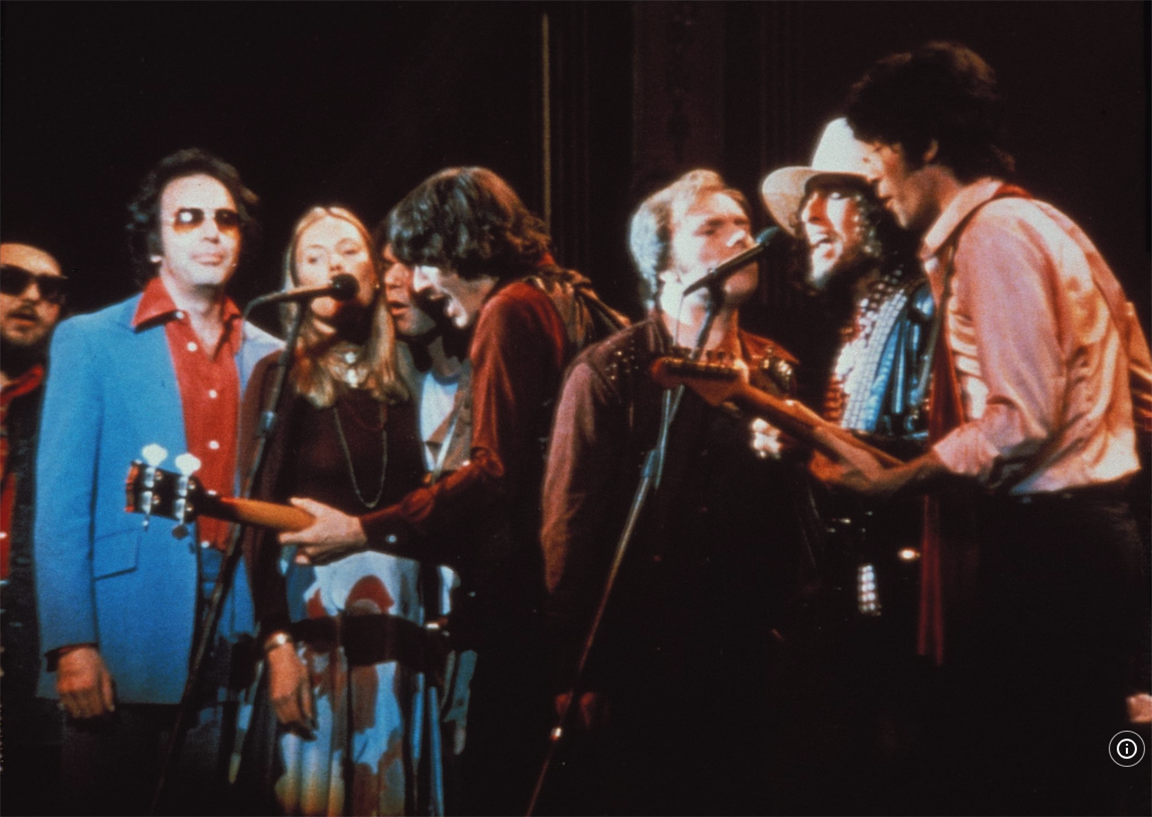
Ask a casual viewer for their favorite detail from The Last Waltz, Martin Scorsese’s 1978 documentary about The Band’s final performance at San Francisco’s Winterland Ballroom, and they’ll likely respond with Neil Young’s infamous cocaine booger. When Young joins The Band onstage for a tearjerking performance of “Helpless,” there it is, a crusty white stowaway dangling from his nose so ostentatiously that no amount of editing was evidently able to remove it. The booger may be what first betrays him, but once you see that, you can’t help but notice Young’s jaw appears to be screwed on sideways, too; he simply cannot keep his teeth from grinding. From there it’s a short leap to noticing how much all these performers sweat, scrutinizing their uniformly saucer-sized pupils, and realizing that maybe Robbie Robertson doesn’t say insane shit like “the beginning of the beginning of the end of the beginning” unless he’s high. If you’re not careful, the specter of coke will haunt your entire experience of The Last Waltz. You’ll see it everywhere, and it will derange you, until the songs no longer make you cry because they’re making you feel cheated instead.
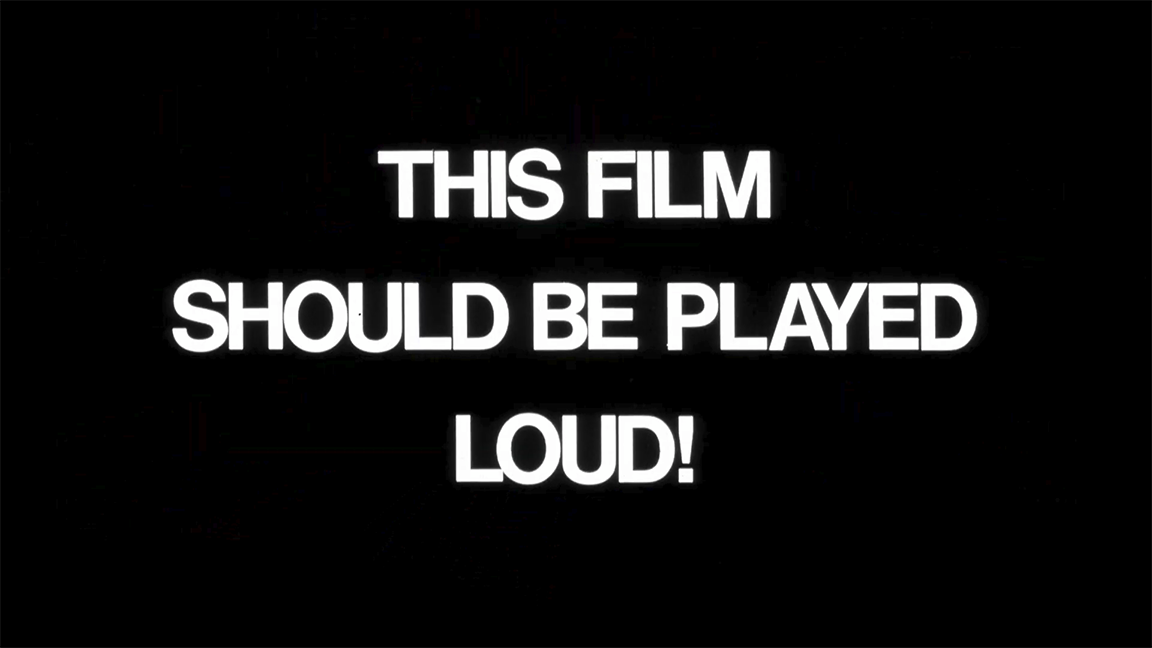
I have now watched The Last Waltz for the last sixteen Thanksgivings in a row, once from a bed in the ICU—but even that awful year I had the movie already downloaded onto my ancient laptop so as not to miss this most crucial of holiday traditions. I didn’t have turkey or pie during A Very Hospitalized Thanksgiving, and I missed them, but I would have missed The Band even more. I never feel more right with the world than when I take in the opening shot, a black screen with all-white capital letters declaring that THIS FILM SHOULD BE PLAYED LOUD!
Of these sixteen viewings, only four have been sober. But even in sobriety, I can’t help but feel charged by the drugs and booze looming over the film. It is, in fact, the exact way I used to feel when I sensed that cocaine was in the room and couldn’t figure out how to summon an invitation to share in it. And in sobriety as well as in active addiction, fixating on the substances means missing the point.
The Band played a staggering number of concerts in their sixteen years of touring, but this last performance was unique. It was a festival, a party, a literal Thanksgiving dinner followed by hours of live music with featured guest stars like Young. Without Bob Dylan’s star power especially, the film never would have been greenlit. And the coke booger is, in its way, important, because without the tonnage of cocaine the stars and filmmakers were all doing backstage, the film probably couldn’t have been made, either.
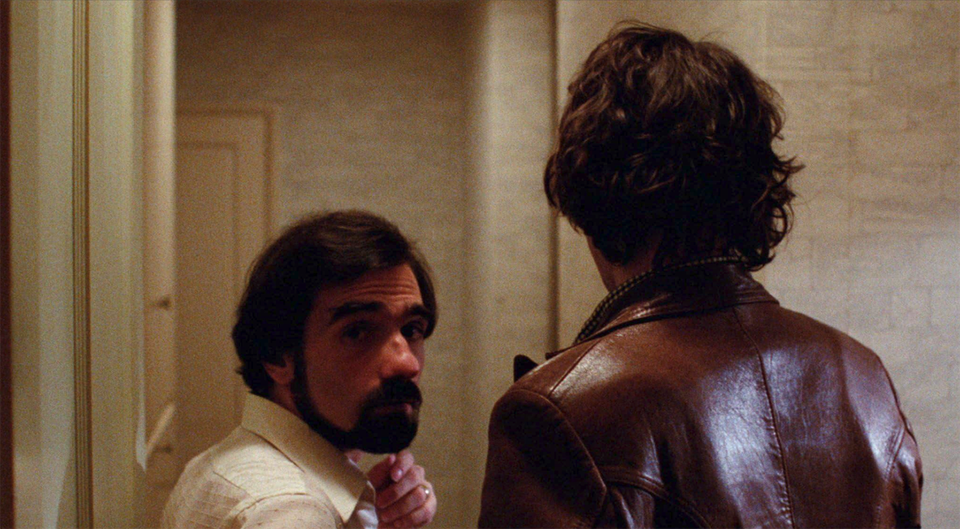
The documentary series Mr. Scorsese includes a look at the script the director devised for The Last Waltz: it’s a dizzying marvel of coked-up ingenuity, every word of every song charted out in five columns intended to keep the director’s seven 35mm cameras accounted for, every minute of the night. He made the documentary while also filming his stinker New York, New York, an amount of work I suspect no person could take on without the assistance of uppers. Much to my chagrin as a no-longer-practicing coke fiend, I am forced to hand it to the drug: in at least this one moment, cocaine fueled great art.
For a certain type of viewer, the coke booger reads as a betrayal of the craft, exposing that which we all suspected was there but might have preferred not to see. Because Neil Young is on coke while singing about that town in North Ontario, they might imagine that the beauty of the song originates in the coke. If they can’t see the drugs, they can believe Young alone made that magic; reveal the drugs, and they feel like victims of a confidence trick that the hustler wasn’t even skilled enough to pull off properly.
As a sober person I’m often tempted to feel the same way when a person’s drug use breaches containment and becomes obvious. An unusually chatty conversational partner is suddenly revealed as just one more coke-mouth outpacing the brain behind it; a person who’d seemed to be enamored of my company turns out to be far more enamored of a substance; in these cases, I end up feeling ripped off. Lied to, at least by omission, because the one thing no coked-up person will ever admit is that the drug is the source of their palpable insights and enthusiasms. And yet, to fixate on Neil Young’s nostril or jaw is to relinquish an opportunity for enchantment, to miss the forest for some very boring trees indeed. I laugh fondly at the sight of it every year, but I’m not about to let a bead of fifty-year-old dried mucus set the terms of my experience with “Helpless,” which in this version is wrenching and ghostly.
Eight times I had the good fortune to watch The Last Waltz with my father before he died, which was like watching it with a really good DVD commentary track playing. He made sure I knew the lyrics to “The Weight” and “"Up On Cripple Creek,” especially his favorite line about “Spike Jones on the box.” We laughed together at Richard Manuel’s story about stealing cold cuts from the supermarket, laughed at Neil Diamond’s used car salesman outfit. But “Helpless” always made him cry, and I never did find out why. I didn’t even hear the coke booger lore until after my father died, though he’d told me every other piece of Last Waltz trivia and surely knew this one. Maybe he felt the way I do: cocaine alone can’t make music sound this way. Hell, genius alone can’t make music sound this way. Neil Young needed to find himself at a very precise confluence of events in order to do it.
In one of the film’s best moments, Rick Danko, Richard Manuel, and Robbie Robertson are all backstage futzing around on their instruments when the futzing starts to take the shape of the old time song, “Old Time Religion.” One moment they don’t even really sound like they’re playing in the same key; the next moment dissonance melts improbably into precision and harmony. Robertson never takes the cigarette out of his mouth, and Danko looks like he might pass out in a pool of his own vomit at any second, but the song lives beyond conscious effort for them—and these few drunken bars of “Old Time Religion” sound better than anything I could do sober. The drug use couldn’t be more obvious, but you’d have to be a true cynic to claim that the drugs alone are responsible for what we’re hearing. The moment is responsible: these guys, playing this music, in this film, in this era. Cocaine did it, and so did booze, but so did countless and uncountable other factors large and small.