
Troubles in the Dark
by Colin McGowan
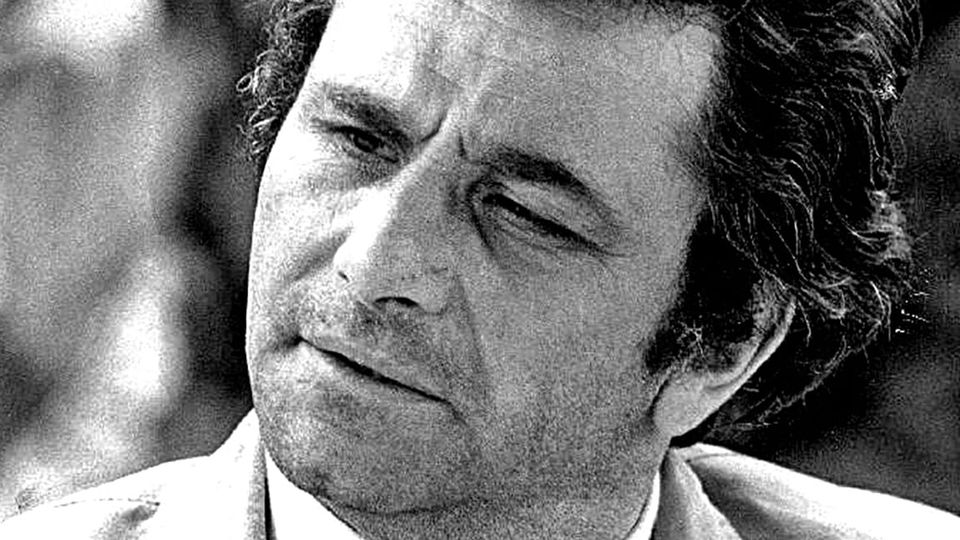
Lieutenant Columbo pulls up to the home of this week’s murderer in a shitty car, emerging in a raincoat that suggests he knows something we don’t about the coming weather. We’re in sunny Los Angeles, aren’t we? But this is part of the illusion. The murderer, played by some faintly or brilliantly recognizable guest star, has committed a clever crime and devised an ingenious way of covering it up, and Columbo must unravel their deceit with counter-deceit. So he feigns incompetence, absent-mindedness, expresses an interest in things he is not actually interested in. Jeez that must be a fascinating profession, art criticism. Is that a working fireplace?
The murderer is grieving, baffled, was at a dinner party forty miles away when the victim was shot dead. They misdirect, obfuscate, pretend to cooperate with Columbo’s investigation in ways they think will get them off the hook. But as the investigation wears on—oh! just one more thing—their politeness fractures, they grow impatient with Columbo’s nattering, how he keeps showing up unexpectedly at their office, at the country club. Is that detective inspecting the car I’m getting serviced? Typically, the moment arrives—too late—where the murderer sees through Columbo’s performance. They get nose-to-nose with him or recline in a handsome high-backed chair. I know that you know what I did, but what proof have you really got? But Columbo always secures the proof, damning and incontrovertible. Or at least that is the impression the show gives, right at the end. Maybe some of these villains win acquittal in the trials we never see.
I'm in the living room with the TV going and all the lights off. My phone, full of bad news, is in the kitchen.
Keep us breathing fire!








For $3/month you can read this whole post and get our weekdaily newsletter too!