
Pesky journalists / Pleasant insects
Today: Diana Moskovitz, investigations editor, writer, and co-owner of Defector; and Trevor Alixopulos, who draws comics and illustrations and lives in California.
Issue No. 410
Robert Redford, Journalist
Diana Moskovitz
Victors of HYDRANYM No. 17
The Editors
Praise for the Fig Eater
Trevor Alixopulos
Robert Redford, Journalist
by Diana Moskovitz
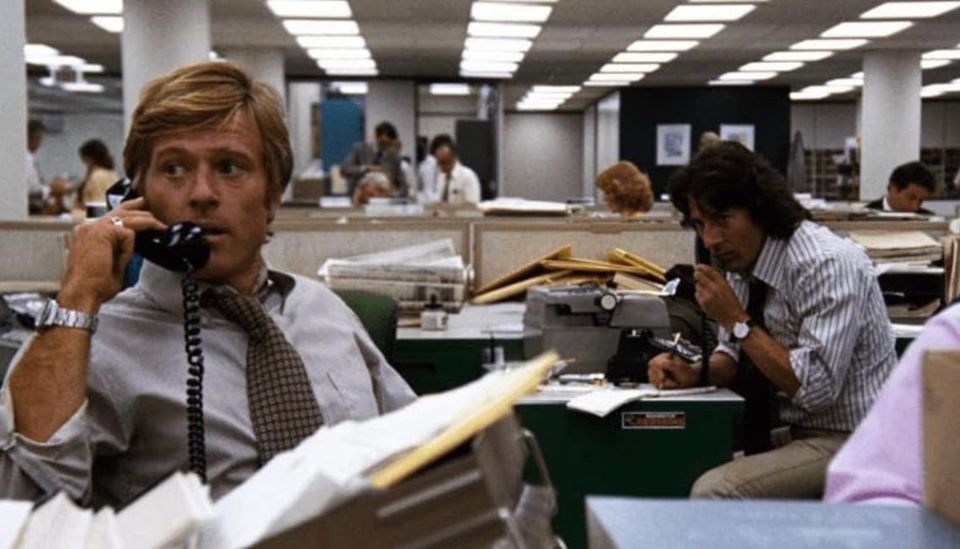
All the President’s Men is widely reckoned to be not just a journalism movie but the story of one of the biggest and most consequential stories ever broken by newspaper reporters in the history of the United States. It gave us the phrase “follow the money” and helped establish a longstanding mythology around The Washington Post and the power of investigative journalism. It helped turn journalism into a profession for “sharp-elbowed, Ivy League white guys.” It made us believe that we too might one day meet a fellow newspaper reporter who looked like Robert Redford.
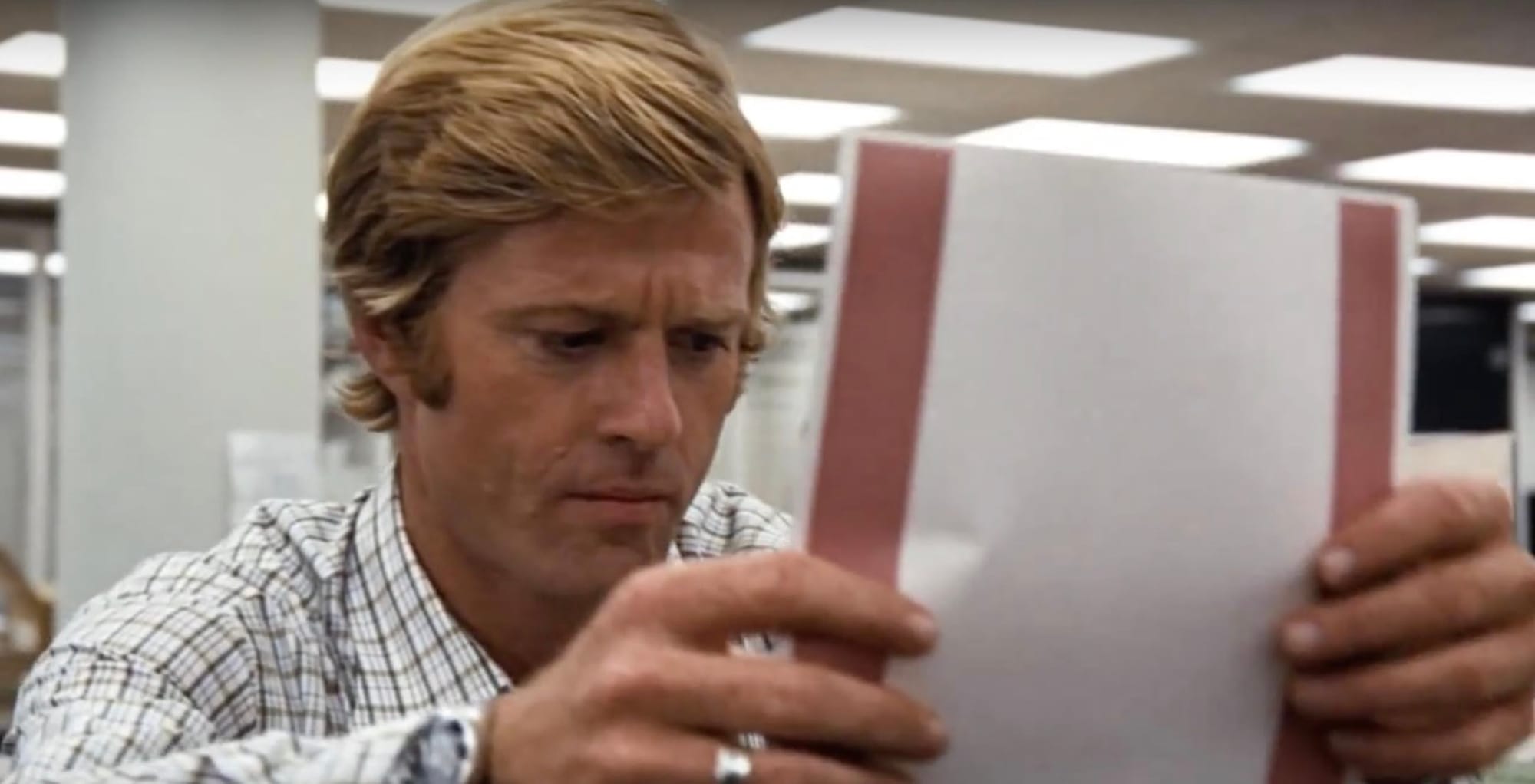
Okay fine, I made up the last part. But the rest? It’s all true. There is journalism before and after Watergate, and there’s also journalism before and after All the President’s Men.
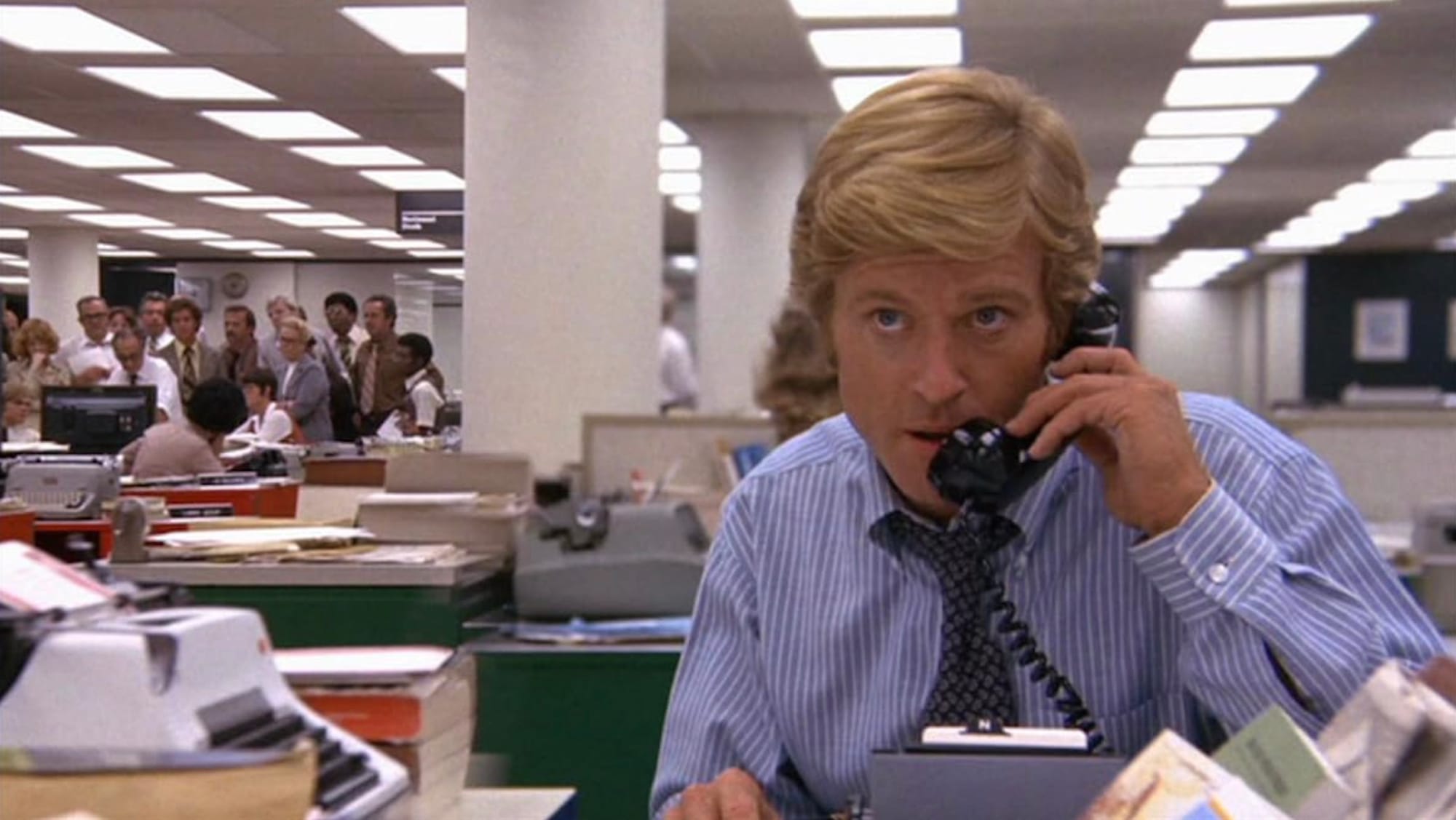
The dirty secret of this film is that it isn’t so much about traditional journalism as it is about leaking. It’s a classic 1970s post–studio system paranoia-fest that just happens to take place in a newsroom. It’s about having real reasons for suspecting your phone is tapped or your car is being followed or someone is out to get you, set to dramatic music and filmed with long shadows and complex dual-focus shots. Director Alan J. Pakula’s previous film, The Parallax View, is also a classic in the conspiracy-thriller genre. Real-world reporting is rarely that dramatic.
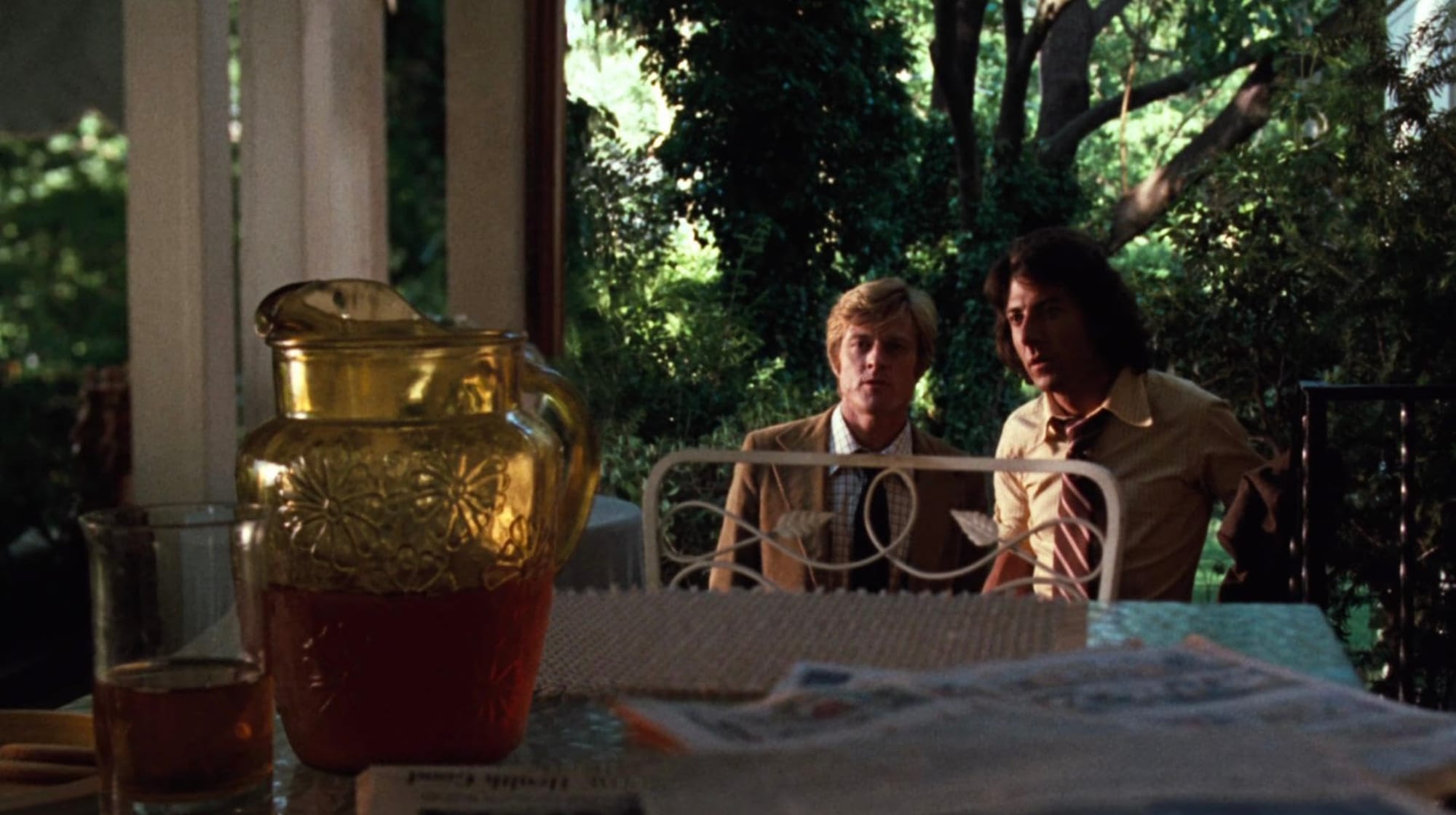
For these and other reasons I’ve struggled to appreciate this movie. But I watched it again recently, partly moved by Redford’s recent death, and partly out of a genuine curiosity to learn whether I would feel differently about it now, in this brave new world where our phones track us, our cars are computers on wheels, and the government, or any random person, really might be recording your conversation.
Keep us breathing fire!





For $3/month you can read this whole post and get our weekdaily newsletter too!