
Let locals lie / Build the beat
Today: Kim Kelly, author of FIGHT LIKE HELL: The Untold History of American Labor, a regular contributor to Teen Vogue and In These Times, and founding editor of the metal newsletter Salvo; and Kọ́lá Túbọ̀sún, Nigerian writer, linguist, co-editor of Best Literary Translations, founder of Olongo Africa, and writer and producer of the documentary, Ebrohimie Road.
Issue No. 429
My Summerisle Samhain
Kim Kelly
Godmothering Afrobeat
Kọ́lá Túbọ̀sún
My Summerisle Samhain
by Kim Kelly
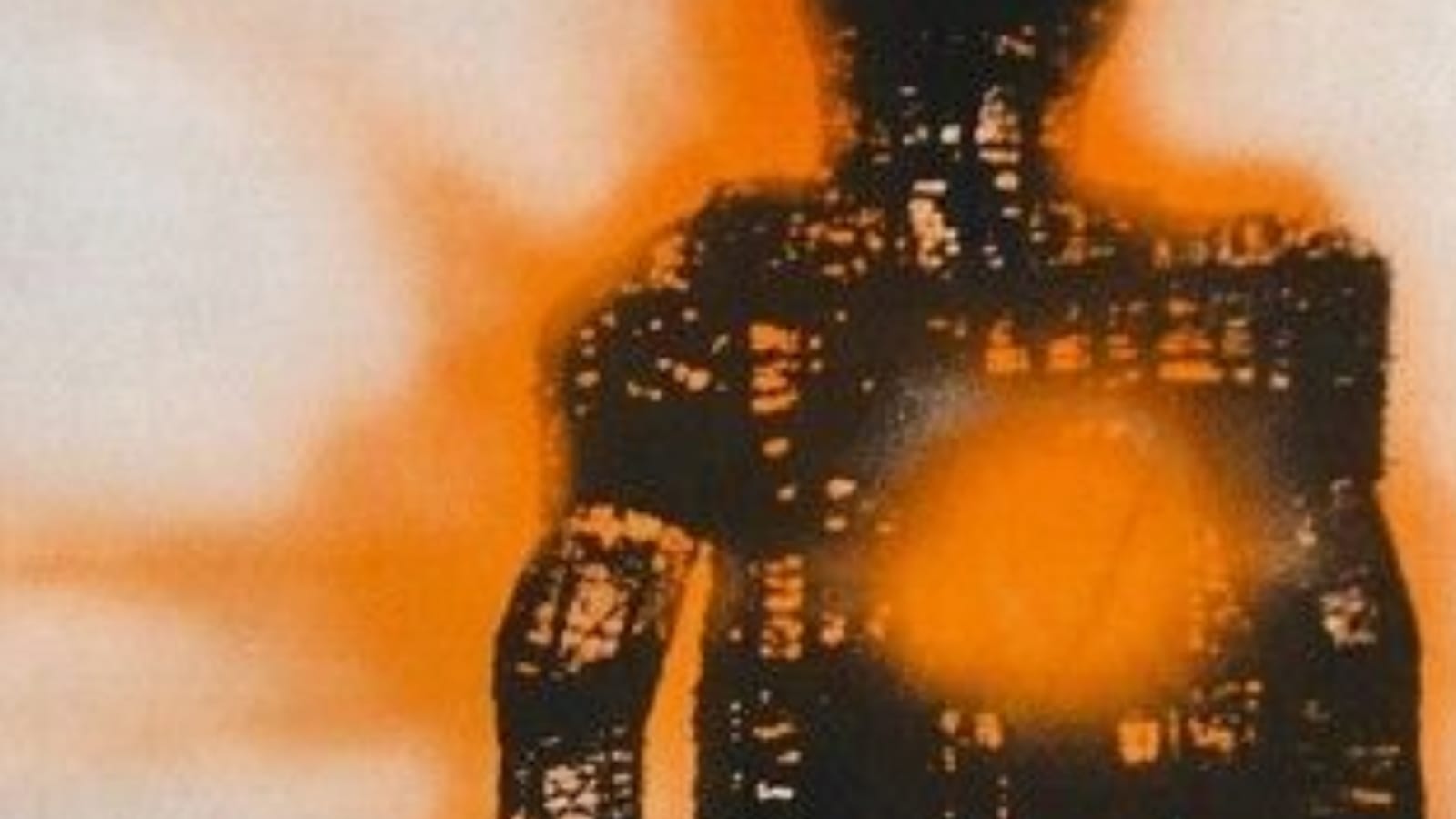
I was first introduced to The Wicker Man in perhaps the most ideal setting possible, on a rainy evening in an old house on the outskirts of Dublin. My boyfriend at the time (let’s call him Darragh) was a tall, raw-boned Irish pagan who had the 1973 film poster hanging up in his bedroom. When I asked about the strange burning figure peeking out from behind his record player, he was horrified to discover that I’d never seen the film, and swore up and down that we needed to rectify this grave error immediately. As with just about everything else he said in his deep, lyrical brogue, that sounded good to me, and so we settled in for an evening with a cinematic masterpiece. I’m not much for horror movies, but this one caught hold of me from the first frame. It is a perfect film, and a perfect memory… but the timing could have been better.
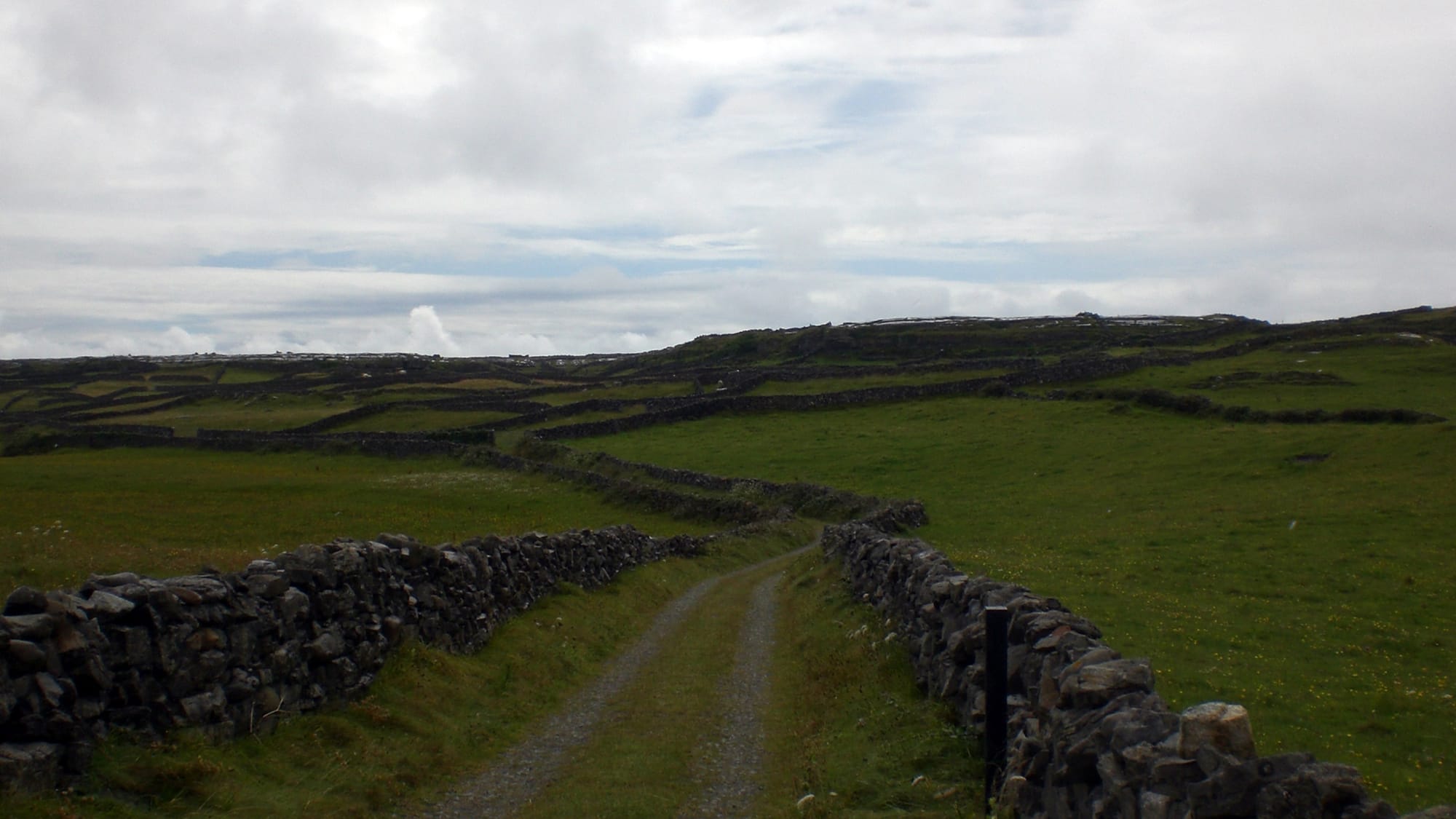
For it just so happened that we were heading off on a trip to the Aran Islands later that month, and would be spending Halloween in one of the old country’s most eldritch and otherworldly places. As soon as we set foot on the island of Inis Mór I caught sight of its low stone walls and small old buildings framed by grassy swells; it looked quaint, a little strange. It was so very quiet. In late October, other tourists were scarce. That wasn’t the only reason for the silence we felt, though. The islands lay within a Gaeltacht, a state-recognized district wherein Irish is the primary language spoken. Darragh spoke a little Irish, but not enough to save us from being immediately marked as outsiders whenever we tried to communicate. Our long hair and black-metal T-shirts usually did a good enough job of that, but here on the island, our very tongues betrayed us.
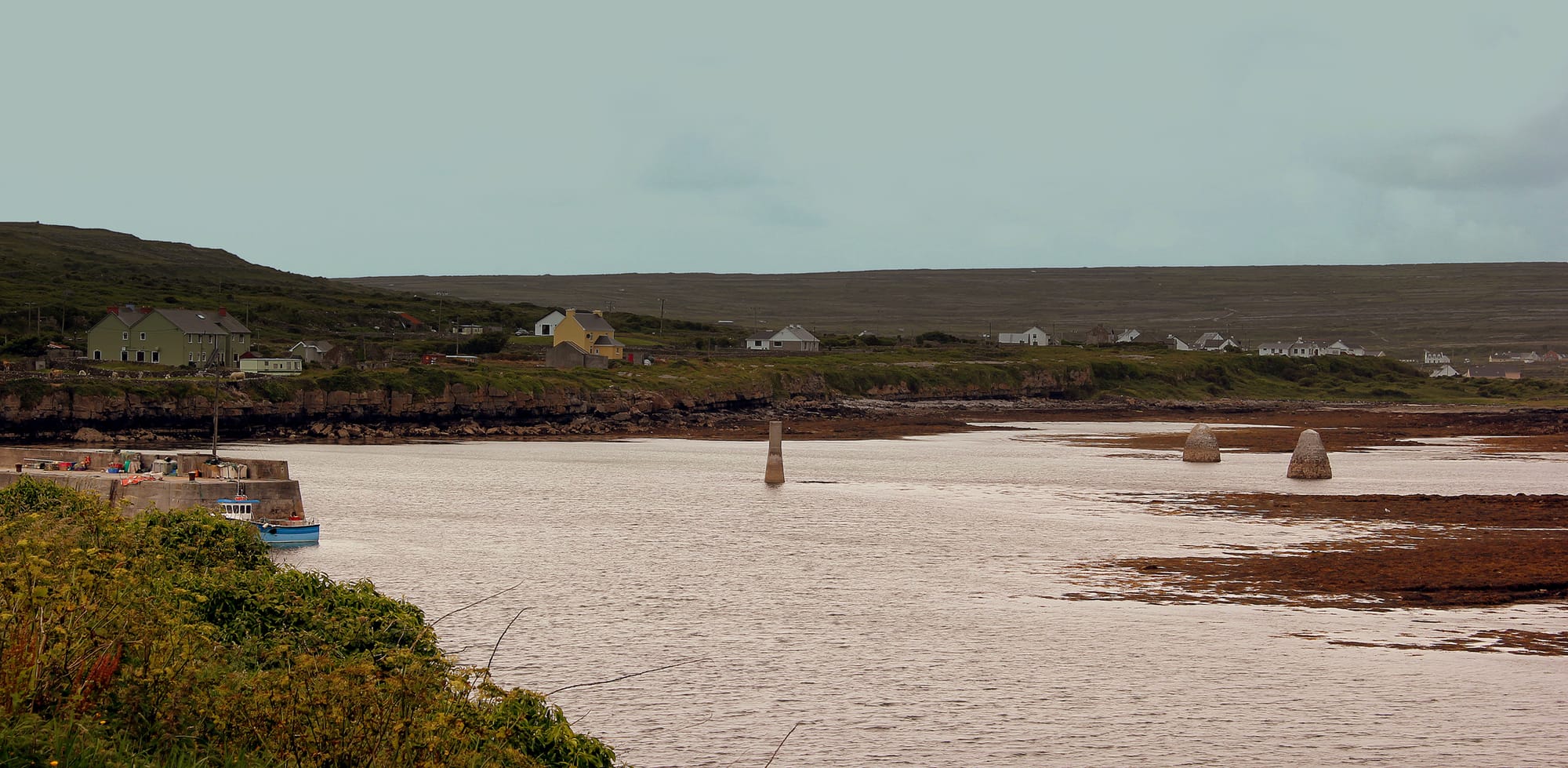
The chilly welcome didn’t stop us from getting a good frolic in. Much like The Wicker Man’s verdant setting in the Scottish Hebrides, Ireland’s Aran Islands are awash in color—emerald and moss and tender springtime greens, black lime paths and tiny blue wildflowers and waving golden grass and the deep fathomless blue of the endless ocean. The island still bloomed even at the end of autumn; the sea air nipped, but didn’t bite. It was beautiful and wild, and we were often the only people within eyesight. It was a perfect setting for a romantic getaway—as long as the sun was shining, anyway. Once the sun set, things shifted. The quiet became even quieter, the darkness darker. I don’t remember seeing any stars, despite the wide-open sky. We mostly kept to ourselves during our visit, exploring the island by foot and curling into one another in a drafty old guesthouse at night.
Keep us breathing fire!







For $3/month you can read this whole post and get our weekdaily newsletter too!