
Ephemeral scenes / Adults cook
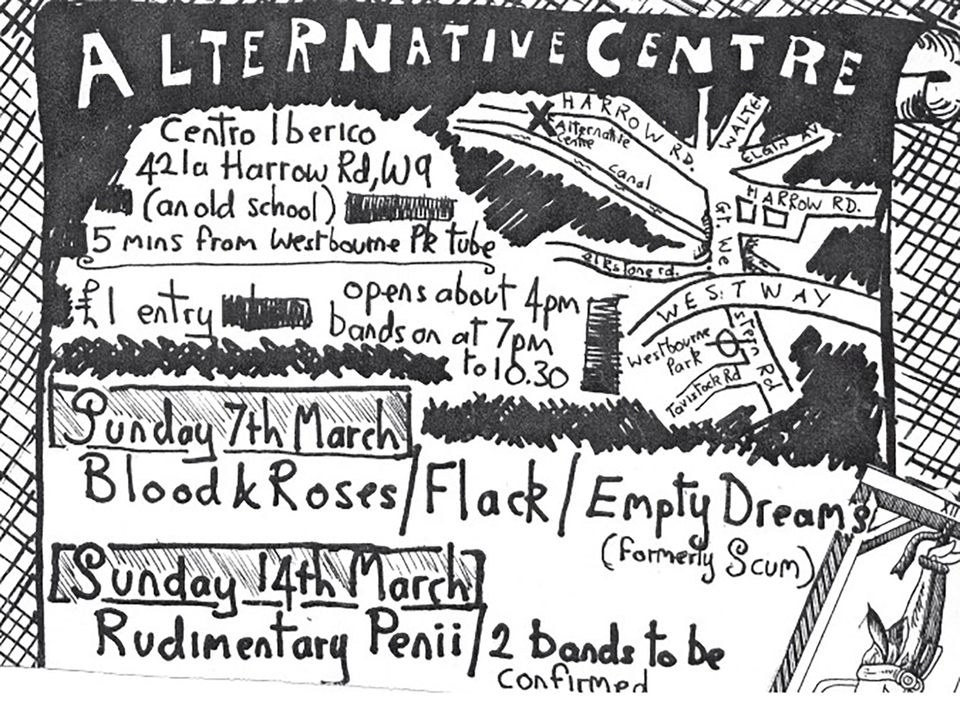
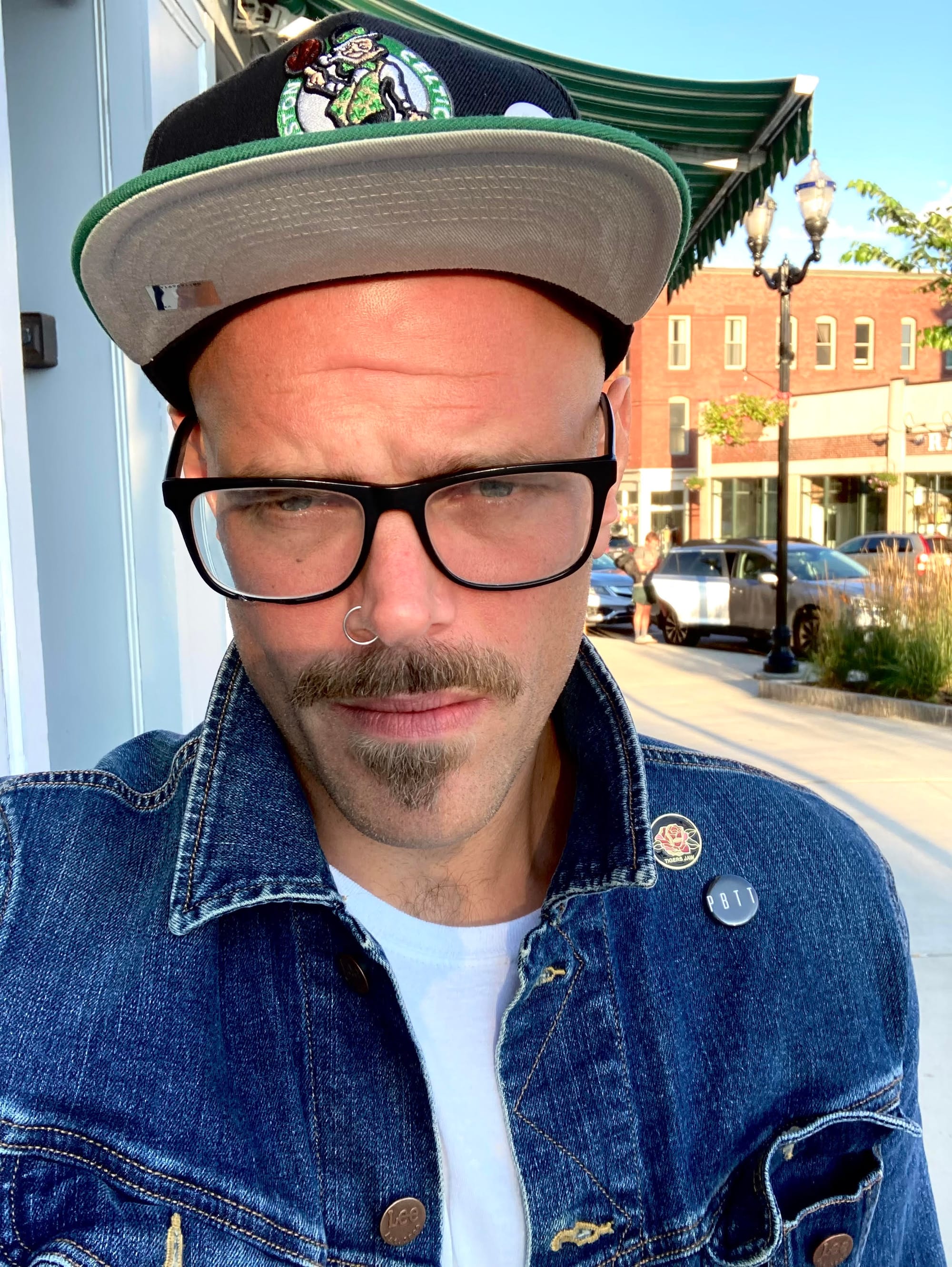
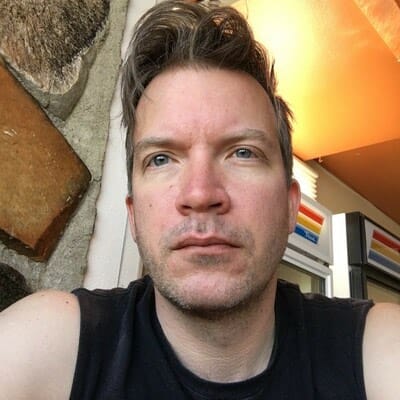
Today: Activist, musician, and writer jj skolnik; and American screenwriter, author, and voice actor Jack Pendarvis.
Issue No. 527
Life We Make
jj skolnik
Kent Goes to Chelmsford: Episode 4
Jack Pendarvis
Life We Make
by jj skolnik
When I was a kid in the local punk scene of Washington D.C., the shelf of flyers at the record store and the listings in the City Paper were my ins to find out about shows in the area; at those shows I got handed flyers for house shows and meetings for political groups (some of which I was interested in, some of which I was not). Today, that infrastructure struggles with the inevitabilities of online social platforms, which are surveilled closely and thus, often censored. These ephemeral materials, whether in print or online, map the history of local music, politics, fashion, humor, design, and much else; ideally we would preserve them all with respect and care. But in our current moment in the U.S., given the destruction the rampaging GOP is spreading through libraries and educational institutions across the country, the tenuous threads that make archiving ephemera possible are stretched tighter than ever.
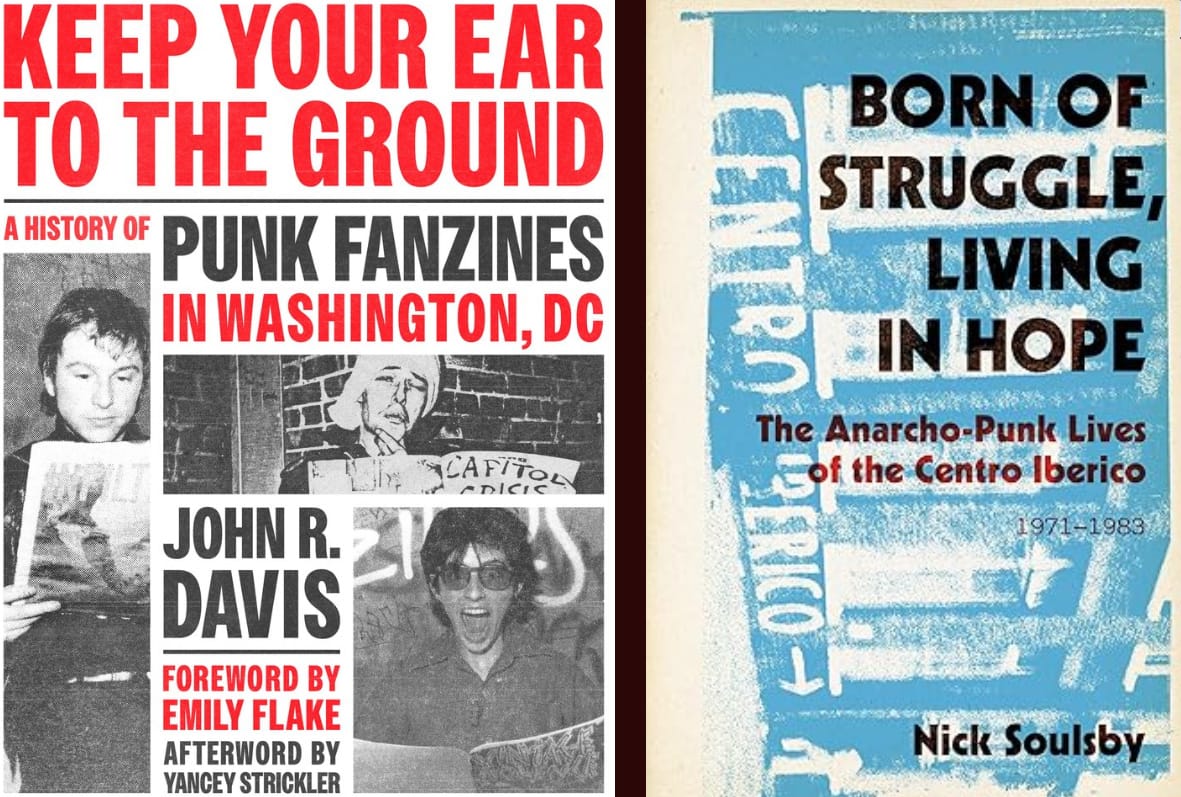
Two recent books, Keep Your Ear to the Ground: Punk Fanzines in Washington, DC by John R. Davis, and Born of Struggle, Living in Hope: The Anarcho-Punk Lives of the Centro Iberico by Nick Soulsby, provide newly accessible, important archival material on musical and political subcultures. Full disclosure, the world Davis describes is the one I grew up in myself; he is an old friend, and we came of age together in D.C. punk. The Centro Iberico was an international anarchist center in London, founded in 1971 by activist and writer Miguel García García, joined by activists, writers, and performers from all over the world.
Media created in DIY subcultures like punk, goth, and house were made with whatever one had to hand, linked to niche audiences, and had limited distribution to begin with; from the pre-internet era, all that remains to us has depended on private artist and fan collections. Yet the music and scenes documented in these written materials—show flyers, zines, posters, record and tape inserts, and the like—are valuable parts of a cultural and artistic history with an extensive and passionate audience.
Keep us breathing fire!






For $3/month you can read this whole post and get our weekdaily newsletter too!