
Life sciences
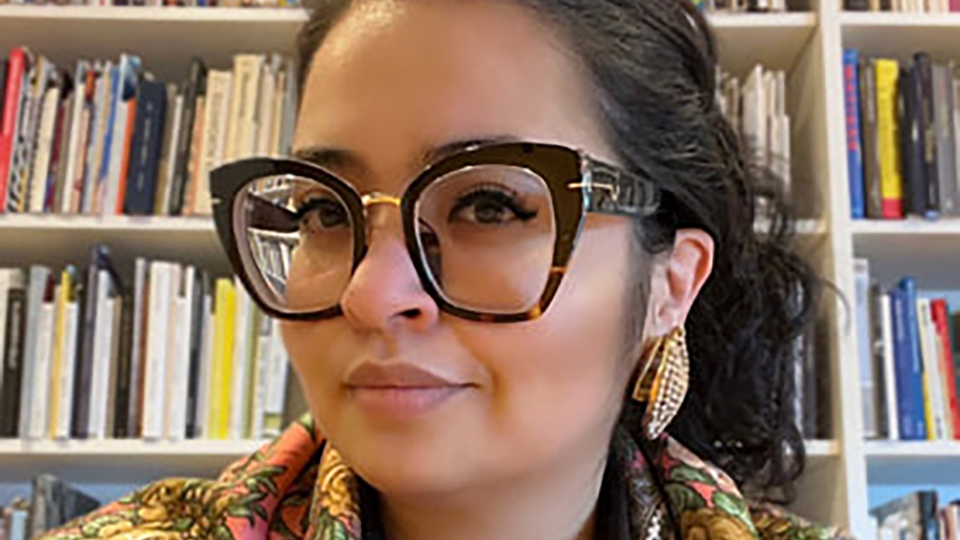
Today: Myriam Gurba, author of Creep, Mean, and the recently published Poppy State.
Issue No. 528
Indigenous Relations
Myriam Gurba
Indigenous Relations
by Myriam Gurba
“Dear Ancestral Lands…”
So begins Growing Papaya Trees: Nurturing Indigenous Roots During Climate Displacement, a new book by Indigenous scientist Dr. Jessica Hernandez. Speaking to her beloved Oaxaca from Seattle, Washington, Hernandez’s heartfelt message expresses the yearning shared by Native refugees around the world: “Precious Lands, we look forward to the day when we can walk again on your sacred grounds and feel your healing embrace.”
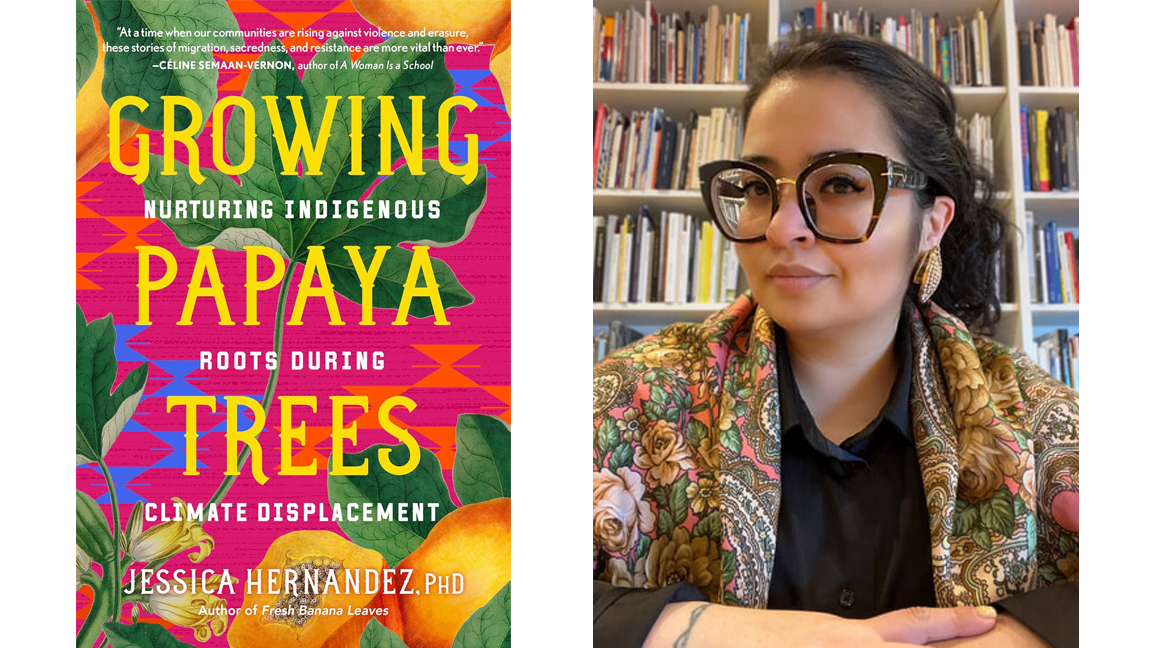
Through personal and place-based storytelling, Hernandez centers the “indigenuity” of Natives forced to live in diaspora. She gently argues that Indigenous peoples have developed the best remedies for restoring our profoundly degraded environment; these remedies can’t simply be extracted from Indigenous communities, she explains, because the people themselves are the medicine. Our conversation, which has been lightly edited, happened as my phone lit up with extreme weather alerts warning me to plan for an impending heat wave in Los Angeles.
Myriam Gurba: You’re the author of two books whose titles invoke plants, Fresh Banana Leaves: Healing Indigenous Landscapes through Indigenous Science and Growing Papaya Trees. What is your relationship to these plants and what do they mean to you?
Jessica Hernandez: My cultures have taught me to look at plants as relatives. This is different from how a Western environmentalist might look at a banana tree. The environmentalist might say that the tree is not native to Central America, but through the relationships that my Indigenous nations have developed with plants like the banana tree, we have come to recognize these plants as displaced relatives.
Sometimes, when I’m presenting to Seattle Parks and Recreation or other entities that work with plants, I reiterate that language matters. Some plants that are labelled as invasive species are seen as pests or aliens. This same terminology is also applied to displaced folks. It’s ironic when people of European descent use that language because these plants that they call invasive often originated in Europe. Growing Papaya Trees pays homage to one of our native trees. Papayas are extremely resilient, and by honoring them, I’m also paying homage to immigrants and forcefully displaced folks. We have been forced to uproot ourselves from Latin America and transplant ourselves in the United States and Canada.
MG: What path did you take in your journey to becoming a scientist?
JH: My parents were adamant that I spend time in Oaxaca, Mexico, and so I grew up both there and in Los Angeles, California. My mom is Binnizá and we are a matriarchal society where women are our leaders. We also have a third gender, muxes. My dad is Maya Cho’rti’, and our community is divided by the border separating Guatemala from El Salvador. My dad was born on the El Salvador side, and he was displaced during the genocide, which some people call the Salvadoran Civil War. He met my mom in Oaxaca.
Keep us breathing fire!




For $3/month you can read this whole post and get our weekdaily newsletter too!